Labour Weekend Gardening NZ - Kings Seeds

Labour Weekend Gardening in NZ: What to Sow, Plant and Protect
Labour Weekend is a great time to sow vegetables, herbs, flowers along with many edibles & natives, plant established seedlings and prepare your garden for summer. What belongs outdoors depends on your growing zone, soil conditions and frost risk. In cooler areas, starting summer crops under cover is often the best job you can do.
Kings Seeds is proud to have helped New Zealand gardeners grow from seed for over 45 years.

Check Your Garden Before You Plant
Before opening a seed packet, check the local forecast and take a look at your soil. Is it warming and crumbly, or cold and waterlogged?
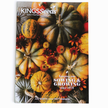
Use our New Zealand planting zones guide alongside the Annual Seed Sowing Guides on pages 136–143 of our 2026/27 catalogue.
The catalogue’s dots mean sow indoors. Solid lines mean sow outdoors. Neither is an automatic instruction to transplant seedlings that month. Follow product derscription advice for individual varieties and let local conditions guide the final decision.
You can also refer to our weekly sowing guides for more detailed advise on varieties to sow now.
What to Sow This Labour Weekend
These October suggestions follow our four NZ growing zones. Outdoor sowings still need suitable soil and weather, especially beans and sweetcorn.
|
Growing zone
|
Useful edible seeds to sow outdoors
|
Summer edible crops to start under cover
|
|
warmest gardens
|
Carrots, beetroot, lettuce, spring onions, tomatoes, eggplant, chilli and capsisum. Beans, squash and sweetcorn where soil is warm. | Basil, melons |
|
mild gardens
|
Carrots, parsley, beetroot, lettuce, radish, spring onions, tomatoes and silverbeet. Beans and corn where soil is warm. | Basil, capsicum, squash, melons & tomatoes. |
|
cooler gardens
|
Carrots, beetroot, lettuce, radish, spring onions, silverbeet and coriander. Delay beans and sweetcorn if soil remains cold. | Tomatoes, basil, capsicums, cucumber, zucchini, pumpkin, squash and melon. |
|
coldest gardens
|
Carrots, beetroot, lettuce, radish, peas, spring onions, potatoes, silverbeet and coriander when ground is workable. | Tomatoes, basil, capsicums, chillies, cucumber, zucchini, pumpkin, squash and melon. Prioritise warmth, light and protection. |
Make Small Sowings Count
Start with a short row of carrots, a pinch of lettuce and a few radishes. Repeat small sowings (sucession sow) as space becomes available rather than planting everything at once.
Sow carrots, parsnips and radishes directly where they will grow. Rake the surface finely, follow the product depth and water gently. Keep the seedbed consistently moist during germination. Thin crowded seedlings so roots have room to develop.
Starting tomatoes from seed now is different from planting established seedlings. In a short season, choose quick cherry varieties and consider protected growing. Capsicums, chillies and eggplants need a longer warm season, so an established plant may be the more practical option for this summer.

Which Seedlings Can You Transplant Outdoors?
Hardened lettuce, silverbeet, kale and suitable spring brassicas are useful candidates when soil is workable. Choose varieties suited to the season and protect new plants from pests.
Tomatoes can go outdoors once frost risk has passed, nights are reliably mild above 10 degrees and the site is warm and sheltered. Basil, cucumber, zucchini, pumpkin, capsicum and eggplant also need warmth. If your garden is still cold, waiting is productive gardening too, rather than risking transplant shock.
Help Seedlings Settle In
-
Harden plants off gradually over one to two weeks, increasing their time outdoors while protecting them from cold, wind and harsh sun.
-
Water the soil before planting. Choose a calm, cloudy day or late afternoon.
-
Space plants for their mature size using product description guidance. Disturb cucumber and pumpkin roots as little as possible. This is where wool pots are useful.
-
Water in gently and check moisture daily while roots establish.

Sow Flowers for Summer Colour and Garden Visitors
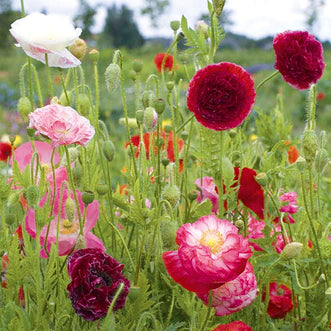
In Zones 1 and 2, October offers outdoor sowing opportunities for cosmos, calendula, cornflowers, dahlia, nigella, zinnias amongst many options (full list here) for outdoor sowing from October in these warmer zones, provided conditions suit.
In Zones 3 and 4, start cosmos under cover during October. Zinnias & dahlias can also be started indoors from October, with outdoor sowing listed from November. Calendula, cornflowers, snapdragons and nigella offer outdoor options when the ground is suitable.
Leave room for flowers among vegetables or along bed edges. Flowering herbs and suitable blooms can provide much-needed food for pollinators and beneficial insects, although they cannot guarantee pest protection.
Feed the Plants That Need It
Clear weeds before they compete with seedlings, not only for space but also for nutrients. Then improve existing vegetable beds with mature compost. Avoid putting fresh manure into seed rows or directly against young roots.
Check your pots and containers; their limited growing space means watering and feeding need more attention than your garden beds. Follow the fertiliser label and consider any feed or additions already included in fresh potting mix.
Leafy crops need balanced nutrition for steady growth. For tomatoes, choose a tomato feed as flowering and fruiting begin, following product directions. More fertiliser does not mean more fruit, and excessive nitrogen feeds can encourage leafy growth over fruit production.
Water dry soil before feeding. Once beds have warmed, mulch around established plants to maintain even moisture levels, prevent erosion, and keep mulch material clear of stems and emerging seedlings.

What Needs Protecting This Weekend?
Keep frost cloth handy in frost-prone gardens, such as Zones 3 & 4, and cover young tender plants before evening temperatures fall. A cloche or tunnel can protect young crops, but remember to ventilate during sunny weather, overheating and wilting can ruin newly planting crops.
Protect seedlings from strong spring winds, secure covers and check that watering reaches pots and trays.
Which Cover Crops Can You Sow in October?
An unused bed can grow something useful while it waits for its next vegetable crop.
Phacelia: Sowing window is September to April. Grow it as a cover crop or allow a separate patch to flower for visiting insects. Prevent unwanted self-seeding.
Mustard: this fast grower can be cut and incorporated before flowering. It belongs to the brassica family, so include it in crop rotation and avoid using it before cabbage-family crops or in beds affected by clubroot.
Buckwheat: Put this on your November list. Due to its sensitivity to frost. It is a warm-season option rather than a blanket Labour Weekend recommendation.
Browse our cover crop collection for ideas. Leave time for cut material to decompose before sowing the following crop.
Get Ahead of Spring Garden Pests
| Aphids clustered on soft shoots | Check for predators first. Squash small colonies or dislodge them with a gentle jet of water, supporting delicate stems. Recheck new growth. |
| Whitefly rising when leaves move |
Inspect leaf undersides and check new plants before bringing them into a greenhouse. Yellow sticky cards help with adult activity rather than solve an infestation alone.
|
| Holes in brassica leaves |
Look underneath for eggs and caterpillars. Remove by hand and fit insect mesh over clean checked plants, securing the edges.
|
| Seedlings disappearing overnight |
Look for slugs and snails after dark. Remove hiding places near seedlings and hand-pick where practical. Use beer traps or bait if aligns.
|
If treatment is needed, choose a product labelled for the pest and edible crop. Follow dilution, application and harvest directions, avoiding flowers and beneficial insects. Household detergent mixtures can damage foliage, so they are not a reliable substitute for a purpose-made garden product.
Your Simple Labour Weekend Garden Plan
Saturday: Check conditions, weed one bed, prepare soil and put supports in place.
Sunday: Sow a few crops suited to your zone. Transplant only seedlings that are ready for outdoor conditions.
Monday: Check pests, irrigation, feed where needed and arrange protection. Label sowings and note your next small batch.

Labour Weekend Gardening FAQs
Can I plant tomatoes at Labour Weekend in New Zealand?
Only where conditions are suitable. Wait until frost risk has passed and nights are reliably mild. In colder gardens, continue growing indoors or undercover until outdoor conditions improve.
Is it too late to sow vegetable seeds in October?
No. October offers plenty of choices, including carrots, beetroot, lettuce, radish, tomatoes, pumpkins, cucumber and silverbeet. Your zone and individual variety determine which summer crops should start under cover.
What can I do if the weather is cold or wet?
Sow suitable seeds indoors, pot on seedlings, weed, sort out irrigation, mulch pathways, clean tools and prepare labels. Avoid working waterlogged soil. Keep tender plants protected and plant outdoors when conditions improve.
What is an easy Labour Weekend project for beginners?
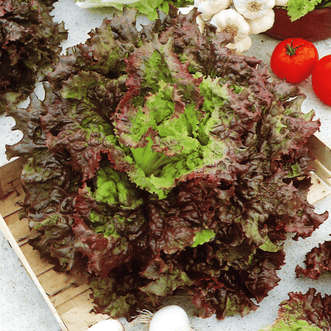
Try a small lettuce and radish patch or a container of salad greens and wildflowers. Start with manageable quantities, check moisture regularly and make another small sowing later for vegetables and flowers all season long.
Can I sow a cover crop in spring?
Yes. Phacelia, buckwheat and mustard are great fast Spring options.
From all of us at Kings Seeds, happy Labour Weekend and here’s to a wonderful growing season! Whether you’re planting this weekend or waiting until Canterbury Show Weekend further south, there’s plenty to look forward to. Grow at your garden’s pace and enjoy watching the season unfold.
Ready to get sowing? Shop our range and check the Annual Seed Sowing Guide on pages 136–143 of our catalogue for guidance on what to sow in your zone.
Grow a life you love™
©Kings Seeds (NZ) Ltd 2026