Grow Your Own Food in NZ - Beginner’s Guide to Food Security

Grow Your Own Food in NZ (Beginner’s Guide to Food Security)
Prices shift, supply changes, and what used to feel reliable doesn’t always feel quite so steady anymore, the food system can quickly change due to climate events and world potilics.
But one thing hasn’t changed… your ability to grow food.
This isn’t about going off-grid or becoming completely self-sufficient overnight. It’s about taking small, practical steps toward growing a little more of what you eat, and building confidence along the way. That’s where real food security begins, and we at Kings Seeds are here to help you.
What is DIY Food Security?
Food security can sound like a big, overwhelming concept. But at its heart, it’s simple.
It means having reliable access to food you trust.
DIY food security isn’t about growing everything you eat. It’s about growing something you can rely on. A few crops that you know how to grow well in your garden. A few things you can harvest when you need them, can start you on your self-sufficient garden dreams.
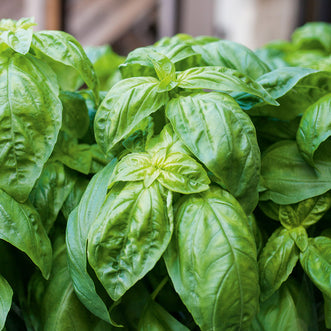
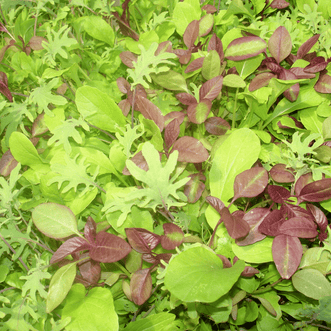
It might be fresh salad greens you can pick year-round. Herbs within arm’s reach of the kitchen. A seasonal crop like tomatoes or beans that you look forward to each year and preserve to last the rest of the year. Food security starts with a single trusty harvest, not a perfect system.
Benefits of Growing Your Own Food
Here in New Zealand, we’re lucky to have a climate that supports growing across much of the year. But we’re not immune to rising food costs, seasonal gaps, or supply disruptions.
Growing your own food gives you:
More control
You decide what you grow, how it’s treated, and when it’s harvested.
Better freshness
Food picked from your garden goes straight to your plate. No long transport, no sitting on shelves. Meaning many of the health benefits from produce straight from the garden are stronger due to nutient quality being fresher.
Confidence and skills
Every season you grow, you learn. And those skills stay with you. A gardener is a life long learner.
A sense of stability
There’s something grounding about stepping outside and harvesting something you grew yourself. In a world that can feel unpredictable, that small act creates a quiet sense of security.
Mental health & longevity
There is growing evidence that gardening supports mental health, lowers stress levels, and is linked to improved longevity. It’s one of the simplest ways to care for both your body and your mind.
Self Sufficient Gardening - Start Small (This is the Most Important Step)
One of the biggest mistakes beginners make is trying to do too much, too soon, then finding themselves overwhelmed.
You don’t need a large backyard or a perfectly planned garden to get started.
You can grow food in:
-
Pots on a deck or balcony
-
Raised garden beds on your grass in the front yard
-
Containers or microgreen trays
-
A small patch of soil with great sunshine
Start with just 2–3 crops. Choose things that are easy, quick, and that you actually enjoy eating.

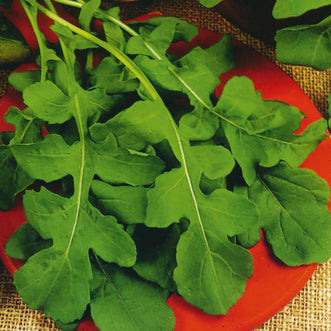
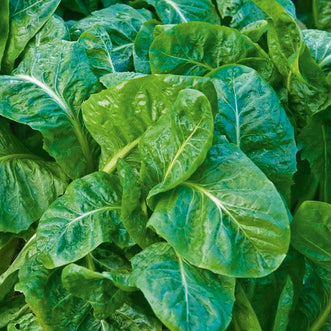
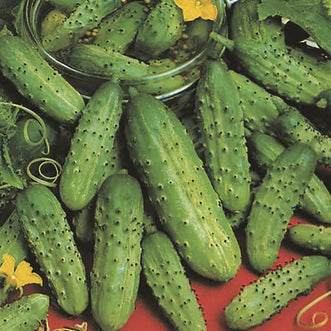
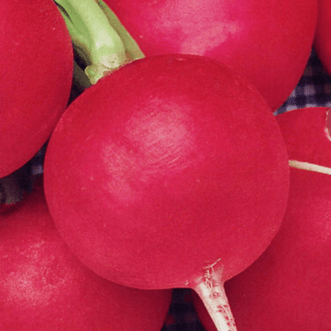
Easy vegetables to grow in NZ for beginners:
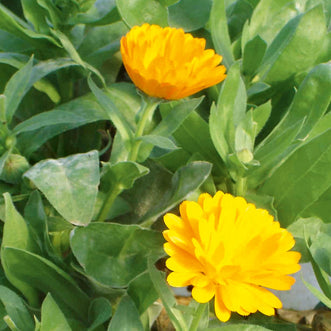
These crops are forgiving, fast-growing, and give you quick wins, which is exactly what you need early on. If you want to throw in a flower that's edible and easy then try calendula.
Because once you harvest something you’ve grown yourself… you’re hooked.
Watch our Beginner Gardener Micro Classes on; Location, Seasons/Zones, Soil, What to Grow, Seed vs Seedling, Watering, Maintenance & Protection and Harvesting.
Know What’s in Your Food
One of the most underrated benefits of growing your own food is this:
You know exactly how it’s been grown.
There’s no guesswork. No wondering what it’s been sprayed with, how it’s been handled, or how long it’s been sitting before it reached your plate.
You choose the soil.
You choose how it’s fed.
You choose how it’s cared for.
And that changes the way you think about food.
It becomes less about convenience, and more about connection. From seed to plate, you’re part of the whole process.
What to Plant in NZ (By Season)
If you’re wondering where to start, the easiest way is to grow with the seasons. Here’s a simple guide to help you begin.
Autumn Seed Sowing NZ
A great time to establish crops that prefer cooler weather.
-
Lettuce and leafy greens
-
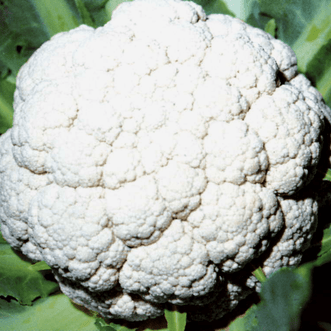
Broccoli, Cauliflower and Cabbage
Winter Seed Sowing NZ
Growth slows, but there’s still plenty you can plant.
-
Garlic
-
Peas (in milder regions)
-
Microgreens & Sprouts (for quick wins)
Spring Seed Sowing NZ
This is when things really take off.
Summer Seed Sowing NZ
Focus on maintaining and succession planting as most seeds can be planted now.
-
More lettuce and greens
-
Vegetables to sow early summer and late summer.
Starting with seasonal planting sets you up for success. Work with nature, not against it.
Build Your Food Security & Self Sufficient Garden Over Time
You don’t need to figure everything out in your first season to create a self-sufficient garden.
In fact, the best approach is to build gradually.
Season 1:
Learn how to grow 2–3 crops well.
Season 2:
Add a few more varieties. Experiment a little.
Season 3:
Increase your yield. Grow more of what worked.
Over time, you’ll develop a rhythm. You’ll start to anticipate seasons, understand your soil, and recognise what grows best in your space. That’s when growing food shifts from something you’re trying… to something you rely on.
Watch our beginner gardener top tips here.

No Such Thing as a Perfect Garden
There will be mistakes. Seeds that don’t germinate. Crops that don’t thrive. Weather that doesn’t cooperate. That’s all part of it.
Growing food isn’t about getting everything right. It’s about learning, adjusting, and trying again.
Grow Your Own Food FAQs
How much fruit and veg do you need to grow to be self-sufficient?
Full self-sufficiency takes time and space, but even growing 20–30% of your food makes a real difference. Start small with a few reliable crops and build each season.
What are the top 5 foods to grow for a self-sufficient garden?
Leafy greens, beans, potatoes, tomatoes, and herbs. These are productive, easy to grow, and regularly used in the kitchen.
Can you create a self-sufficient garden in small spaces?
Yes. Pots, containers, and small beds can grow plenty. While not a fully self-sufficient garden, you can still produce a steady supply of fresh food.
What is the easiest food to grow?
Lettuce, radishes, silverbeet, spring onions, and herbs. Fast-growing, low maintenance, and perfect for beginners.
Start Your Food Security Garden Today
You don’t need to wait for the perfect time.
You don’t need to have everything figured out.
Start small. Start simple. Start this season.
Because a few months from now, you could be harvesting and feeling self-sufficient instead of wondering where to begin.
And that’s where real food security starts.
Explore our range of seeds and start growing your own food today.