How to Grow Zinnias – Kings Seeds
How to Grow Zinnias in New Zealand
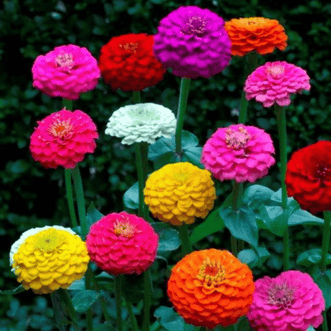
If you’re looking for a flower that’s easy to grow, packed with colour, and keeps blooming for months, zinnias are hard to beat. Whether you’re filling a cottage garden, growing armfuls of cut flowers for the kitchen table, or creating a haven for pollinators, zinnias reward even beginner gardeners with a spectacular display. From the warm north to the cooler south, zinnias thrive in many New Zealand gardens once the weather warms up. They’re one of the easiest flowers to grow from seed, making them a favourite for gardeners of all experience levels.
At Kings Seeds, we’ve been helping New Zealand gardeners grow from seed for over 48 years, and zinnias remain one of our most popular summer flowering annuals. With their vibrant colours, long flowering season, and ability to attract bees and butterflies, it’s easy to see why.


Why Gardeners Love Zinnias
There are plenty of reasons zinnias earn a place in New Zealand gardens year after year:
- Easy to grow from seed
- Flower continuously from summer through to autumn
- Excellent cut flowers with long vase life
- Loved by bees, butterflies and other beneficial insects
- Available in a huge range of colours, heights and flower forms
- Ideal for beginner gardeners
- Perfect for cottage gardens, flower beds and cut flower gardens
Whether you’re growing a few plants in pots or dedicating an entire bed to flowers, zinnias offer plenty of reward for very little effort.
Garden Preparation for Growing Zinnias
Getting your soil right from the start makes a real difference.Zinnias thrive in full sun and well-drained, fertile soil. Before sowing, work through some compost or a balanced general garden fertiliser to give plants a strong foundation. They don’t need overly rich soil. In fact, too much nitrogen can encourage leafy growth at the expense of flowers.
Soil Tips Before You Sow
- Aim for a soil pH between 5.5 and 7.5
- Break up compacted soil so roots can establish easily
- Improve heavy clay soils with compost or pumice
- Raised beds and planter boxes are excellent options
- Ensure good drainage to prevent root rot and fungal issues
Good drainage is especially important in regions that experience warm, humid summers.

Pollinators love them!
Sowing Zinnia Seeds
One of the reasons gardeners love zinnias is how easy they are to grow from seed. Give them warmth, sunshine and a little space, and they’ll do the rest.
Sow seeds 5–6mm deep, either directly into the garden or into seed trays filled with quality seed-raising mix. Zinnia seeds germinate best when soil temperatures are above 20°C, with seedlings often appearing within 7–10 days.
When seedlings have developed their first true leaves and are around 5–8cm tall, thin or transplant them to their final position.
Smaller varieties can be spaced 20–25cm apart, while taller varieties benefit from 30–45cm between plants.
One of the most common reasons zinnias struggle in New Zealand gardens is being planted too early. While seeds germinate quickly in warm soil, cool spring temperatures can slow growth and leave young plants vulnerable. If you’re unsure, waiting another week or two is often the better option. Once conditions warm up, zinnias grow rapidly and soon catch up.
Direct sowing works well throughout most of New Zealand once the danger of frost has passed and the soil has warmed.
When to Plant Zinnias in New Zealand
Zinnias are frost-tender annuals, so it’s important to wait until the danger of frost has passed before sowing.
Northern New Zealand
(Northland, Auckland, Waikato)Gardeners in warmer northern regions can begin sowing from late September through to January. Successive sowings every few weeks will provide flowers right through until autumn.
Central New Zealand
(Bay of Plenty, Hawke’s Bay, Nelson, Marlborough)October through December is generally the best time to sow zinnia seeds, taking advantage of long warm summers.
Lower North Island
(Wellington and surrounding regions)Wait until late October or November when soils have warmed. Planting in sheltered locations will help protect young plants from strong winds.
Southern New Zealand
(Canterbury, Otago and Southland)November through early December is usually the ideal sowing window. Gardeners in cooler areas may prefer to start seeds indoors before transplanting once the weather settles.For a longer flowering season, try sowing fresh seed every three to four weeks from spring through midsummer.

Where to Plant Zinnias
Zinnias perform best in a sunny position where they receive at least six to eight hours of direct sunlight each day. The more sunshine they receive, the more flowers they’ll produce.
Growing Zinnias for Cut Flowers
If cut flowers are your goal, zinnias are among the best flowers you can grow from seed. Plant in rows for easy harvesting and choose taller varieties that produce long stems suitable for arranging. Harvest flowers when the blooms are fully open and the stem feels firm just below the flower head.For longer vase life:
- Remove any leaves below the waterline
- Cut stems at an angle
- Place immediately into clean water
- Change vase water every two days
- Keep arrangements away from direct sunlight and ripening fruit
Growing Zinnias in Beds and Borders
Zinnias bring vibrant colour and structure to flower beds throughout summer and autumn. Mix different heights and colours for a relaxed cottage garden look, or plant blocks of a single variety for greater visual impact. They pair beautifully with other summer favourites and attract a wide range of pollinators.
Best Companion Flowers for Zinnias
Zinnias look stunning planted alongside:
Together they create a colourful, pollinator-friendly garden that flowers for months.
Growing Zinnias in Pots and Planter Boxes
Zinnias also thrive in containers, making them ideal for patios, courtyards and smaller gardens. Choose a pot at least 30cm deep, fill with quality potting mix, and ensure drainage holes remain clear. Compact and dwarf varieties are particularly well suited to container growing. Because pots dry out faster than garden beds, regular watering will be needed during hot weather.


Monarch Butterflies and Pollinators
Monarch butterflies love zinnias, particularly open-centred varieties that make feeding easy. Bees and other beneficial insects are also frequent visitors.If you’re creating a pollinator-friendly garden, zinnias combine beautifully with swan plants, lavender, cosmos and other nectar-rich flowers to provide a valuable food source throughout summer.
Zinnia Maintenance
Once established, zinnias are wonderfully low-maintenance.
Watering
Water deeply but less often to encourage strong root growth. Morning watering is best, allowing foliage to dry quickly and reducing the likelihood of fungal diseases.
Feeding
Apply a light liquid fertiliser every three to four weeks throughout the growing season. Avoid overfeeding, as excessive fertiliser can reduce flowering.
Pinching Out
When seedlings reach around 10–15cm tall, pinch out the growing tip. This encourages bushier plants, stronger stems and significantly more flowers.
Deadheading
Regularly remove spent blooms to encourage continual flowering. Deadheading is one of the simplest ways to keep zinnias producing flowers right through until autumn.
Pest and Disease Watch
Keep an eye out for:
- Aphids
- Spider mites
- Caterpillars
Most problems can be managed with insecticidal soap or neem oil if required. Good airflow is important for preventing fungal diseases, particularly powdery mildew.
Extra Tips for Growing Zinnias
- Mulch around plants to help retain moisture and regulate soil temperature
- Sow every few weeks for continuous flowering throughout summer
- Stake taller varieties in windy gardens
- Remove diseased foliage promptly to improve airflow
- Pick flowers regularly to encourage more blooms
Zinnia FAQ
How do you grow zinnias in New Zealand?
Sow zinnia seeds into warm, well-drained soil in a sunny position after the risk of frost has passed. Water regularly while establishing and deadhead spent flowers to encourage ongoing blooms.
Do zinnias come back every year?
Zinnias are annual flowers, meaning they complete their lifecycle in one growing season. While they won’t return from the original plant, they can self-seed in favourable conditions.
Can I just scatter zinnia seeds?
Yes. Zinnia seeds can be scattered onto prepared soil and lightly covered. For best results, ensure the soil is warm, moist and free from weeds. Thin seedlings once established.
What month do you plant zinnia seeds?
October and November are generally the best months for planting zinnia seeds outdoors in New Zealand. Gardeners in warmer northern areas may start earlier, while cooler southern regions may need to wait until November.
Why are my zinnias getting powdery mildew?
Powdery mildew is most common during warm, humid weather or when plants are overcrowded. Improve airflow, water at the base of plants, and avoid wetting foliage late in the day. Some powdery mildew late in the season is quite normal.
What should not be planted near zinnias?
Avoid planting zinnias too closely with plants that are highly susceptible to powdery mildew, such as cucumbers and pumpkins. Fennel is also best grown separately, as it can inhibit the growth of many neighbouring plants.
Ready to Fill Your Garden with Colour?
Whether you’re growing your first packet of flower seeds or adding to an established cut flower garden, zinnias are one of those flowers that rarely disappoint. Easy to grow, generous with their blooms, and loved by pollinators, they’re a summer favourite for good reason.
Browse the Kings Seeds range of zinnia seeds and discover just how much colour a single packet can bring to your garden.
So easy to grow and enjoy!