


Maori Medicinal Plants
SKU: C0585
Long before introduced garden plants arrived in New Zealand, Māori had already developed a deep body of ...
NZ $27.00
Components
Contains an individual packet of each of the following varieties: Manuka, Koromiko (Hebe), Flax (Harakeke), Horopito, Kawakawa
Other Information
It is our intention to supply the varieties detailed for each Seed Collection. However, we reserve the right to substitute varieties when it becomes necessary due to seed availability.
Annual
A plant that completes its entire life cycle (germinates, grows a plant, flowers, produces seed, dies) in one season. It may self-sow, thereby giving the impression of being perennial. Most annuals will flower 60 to 75 days from sowing.
Hardy Annual
An annual that does not need to be germinated indoors but can be sown direct into its growing position in the garden in spring and is tolerant of frost.
Tender Annual
An annual that is frost tender and can be germinated indoors. Sowing direct or planting outdoors must not occur until all danger of frost has passed (also known as a Half-Hardy Annual).
Biennial
A plant that completes its entire life cycle in two years - growing in the first, reproducing and dying in the second. Typically, but not always, producing flowers only in the second year.
Perennial
A plant that can live for more than two years, surviving the winter and flowering each year from the second season. Perennials may flower within 90 days of sowing in their first season but will more typically flower in their second season.
Hardy Perennial
A perennial that is frost tolerant.
Tender Perennial
A perennial that is frost tender.
Hardy
A plant that will survive frost.
Tender
A plant that will not survive frost.
Bolting
Going to seed. Premature formation of a seed stalk, may be due to plant stress.
Botanical Name
The formal scientific name conforming to the International Code of Nomenclature for plants. Identifies the genus and species to which the plant belongs useful in distinguishing plants uniquely.
Cotyledon
The seed leaves or first leaves that emerge from a germinated seed, different in form from the later true leaves.
True Leaves
The leaves that emerge after the cotyledons which are indicative of the true form
of the plant’s leaves.
Determinate
Growth stopped by development of terminal flower buds. A dwarf/bush variety which sets fruit in a concentrated period.
Indeterminate
Growth continuing indefinitely when leaf buds form at the tip of the growth. These varieties need to be staked and continue to set fruit until frost.
Heirloom
A variety that is older than two generations (50 years). Can also be referred to as “Heritage” and is always an open pollinated variety selected for garden performance (flavour, long harvest).
Hybrid
A plant resulting from a cross between two parent plants to give a genetically superior plant i.e. improved disease resistance, better vigour, more uniform harvest. Normally, seed saved from hybrids does not grow true to type.
F1 - The first generation of such a cross. Denoted in the name of the variety.
F2 - The second generation of such a cross etc.
Open Pollinated
Natural cross between plants of the same variety. Refers to non-hybrid seeds or plants.
Scarification
The practice of scratching, sanding, notching or nicking the seed coat to assist germination. Used for seed of species that have very hard seed coats.
Stratification
The process of chilling seeds to promote germination by breaking dormancy. Can be artificially carried out by placing seed in your fridge. Follow specific instructions online for the period of chilling time.
Surface Sow
Seed that requires light to germinate. Sow seed on the surface. Press down into the soil. Keep moist.
Germination
Seed germination is the process by which a seed sprouts and begins to grow into a plant. It involves rehydrating the seed, activation of metabolic processes and the emergence of a young seedling from the seed coat. This process is triggered by factors like temperature, water and in some cases light.
Viability
The ability of seeds to germinate.
Vigour
The speed and the strength of the plant to establish well.
Delivery
Courier delivery by NZ Post.
Delivery available only to valid New Zealand
addresses.
The appropriate delivery charge will be applied at checkout.
Delivery charges are subject to change without notice.
You can track the status of your shipment via the link provided in your order confirmation email or by logging into your account online.
Click n Collect
Seed can only be collected from our warehouse at 189 Wharawhara Rd, Katikati.
Select Click n Collect at the checkout.
Click n Collect does not apply for collection at any Kings Seeds stockists nationwide.
Returns
Seed or Products can only be returned with authorisation from Kings Seeds.
Any request for the return of Seed or Products must be made within 14 days of delivery to info@kingsseeds.co.nz
Returned Seed or Products will only be accepted if unopened and in the same condition as when supplied and a record of your purchase can be found.
The Customer shall pay all costs in relation to return of the Seed or Products unless it is deemed a warranty issue.
Please see our Terms & Conditions of Sale for further information on our Returns Policy.
Share
Frequently Asked Questions
What plants are included in the Maori Medicinal Plants collection?
What is rongoā Māori?
Can I use these plants to treat health conditions myself?
Is Manuka from this collection the same plant used for manuka honey?
Are these plants suitable for a general native garden, not just a medicinal planting?
Recently Viewed
@kingsseedsnz
Follow us on Instagram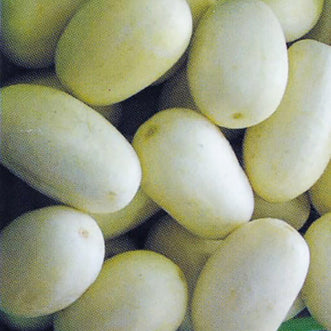
Cucumber Crystal Apple
Apple-size cucumber with sweet taste and crisp juicy flesh that can be eaten thin skin
30 seeds
|
SKU: V8140.pkt
Regular price
NZ $2.40
Sale price
NZ $2.40
Regular price
NZ $4.00
Unit price
per
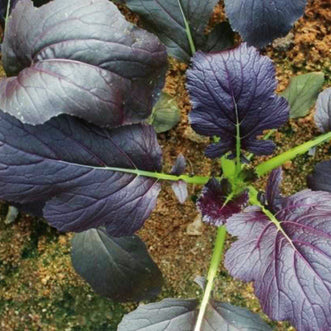
Mizuna Red Kingdom F1
Finely serrated mustard with dark purple leaves and dark veins at babyleaf size (21 day
300 seeds
|
SKU: V8015.pkt
Regular price
NZ $3.00
Sale price
NZ $3.00
Regular price
Unit price
per

Tomato Indigo Pear Drops
Cherry tomato. A unique variety producing small, yellow, pear-shaped tomatoes with purp
20 seeds
|
SKU: V8326.pkt
Regular price
NZ $3.00
Sale price
NZ $3.00
Regular price
Unit price
per

Tomato Matt's Wild Cherry
Cherry tomato. From the wilds of Mexico, novel blueberry size fruit have full flavour s
30 seeds
|
SKU: V8368.pkt
Regular price
NZ $3.00
Sale price
NZ $3.00
Regular price
Unit price
per
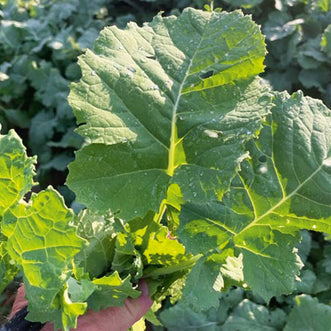
Kale Noble
Known for its remarkable resilience and fast growth, a gentle frost not only enhances i
1000 seeds
|
SKU: V8380.pkt
Regular price
NZ $3.00
Sale price
NZ $3.00
Regular price
Unit price
per

Kale Scarlet
Attractive curled red kale with attractive frilly leaves as much at home in the flower
1000 seeds
|
SKU: V8165.pkt
Regular price
NZ $3.00
Sale price
NZ $3.00
Regular price
Unit price
per

Viola Heartsease Miss Helen Mount
Old-fashioned, English wildflower with petite blooms in blue, purple and yellow. Excell
200 seeds
|
SKU: F1302.pkt
Regular price
NZ $4.00
Sale price
NZ $4.00
Regular price
Unit price
per
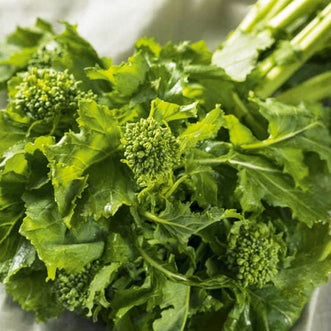
Organic Broccoli Raab Spring Rapini
Italian specialty, no central head but many tasty leaves and side shoots with green flo
250 seeds
|
SKU: O6008.pkt
Regular price
NZ $4.00
Sale price
NZ $4.00
Regular price
Unit price
per
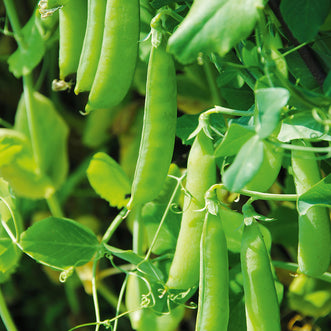
Pea Greenfeast
Well known and very popular dwarf green pea for the home gardener. Growing to waist hei
100 seeds
|
SKU: V8229.pkt
Regular price
NZ $4.00
Sale price
NZ $4.00
Regular price
Unit price
per
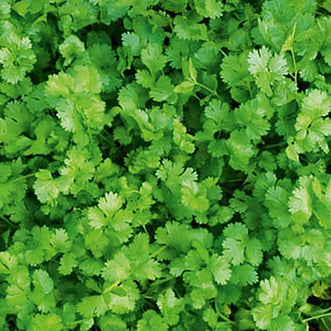
Coriander Picante
A very popular herb for culinary use, all parts of the plant are edible, but the fresh
350 seeds
|
SKU: H3035.pkt
Regular price
NZ $4.00
Sale price
NZ $4.00
Regular price
Unit price
per
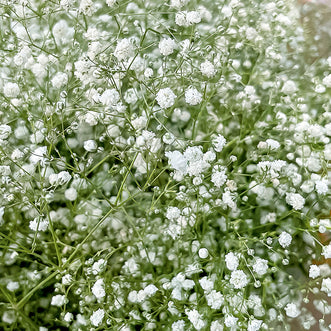
Gypsophila Virgo
Delicate stems and myriads of white, double blossoms add a delightful airy grace to any
100 seeds
|
SKU: F1133.pkt
Regular price
NZ $4.00
Sale price
NZ $4.00
Regular price
Unit price
per
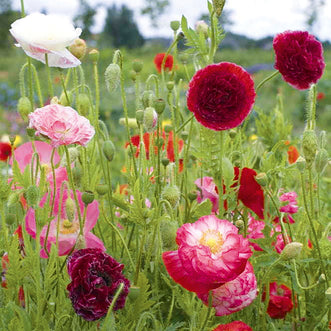
Poppy Shirley Double Mix
Prolific flowering, double-petalled poppies in an array of shades with petals the textu
500 seeds
|
SKU: F1225.pkt
Regular price
NZ $4.00
Sale price
NZ $4.00
Regular price
Unit price
per

Sunflower Autumn Beauty (treated seed)
Branching, long-stemmed sunflower with solid colour and bicolour flowers in rich earthy
50 seeds
|
SKU: F1271.pkt
Regular price
NZ $4.00
Sale price
NZ $4.00
Regular price
NZ $0.00
Unit price
per

Viola Edible Flower Mix
A colourful "rainbow" mix of mid-sized, round face types perfect for culinary use. Exce
100 seeds
|
SKU: F1301.pkt
Regular price
NZ $4.00
Sale price
NZ $4.00
Regular price
Unit price
per
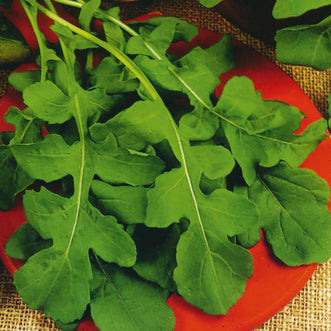
Organic Rocket
Equally good on its own or in a salad, rocket has a distinctive slightly bitter and pep
5000 seeds
|
SKU: O6064.pkt
Regular price
NZ $4.00
Sale price
NZ $4.00
Regular price
Unit price
per
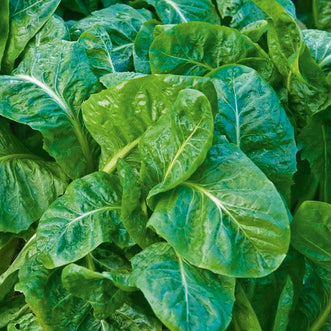
Organic Beet Erbette
Selection of perpetual spinach, with a thinner stem and light-green leaf. An excellent
100 seeds
|
SKU: O6065.pkt
Regular price
NZ $4.00
Sale price
NZ $4.00
Regular price
Unit price
per
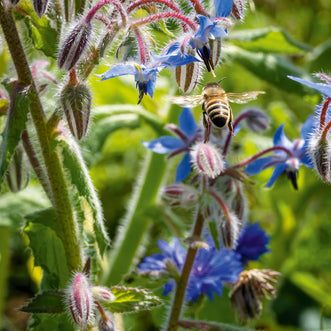
Borage
Borage is grown mostly for its bright blue edible flower and is an excellent bee plant
150 seeds
|
SKU: H3024.pkt
Regular price
NZ $4.00
Sale price
NZ $4.00
Regular price
Unit price
per
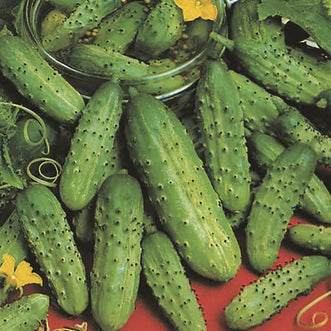
Cucumber Homemade Pickles
Bred for pickling, these medium-green cucumbers have crisp flesh and excellent flavour.
30 seeds
|
SKU: V8135.pkt
Regular price
NZ $4.00
Sale price
NZ $4.00
Regular price
Unit price
per
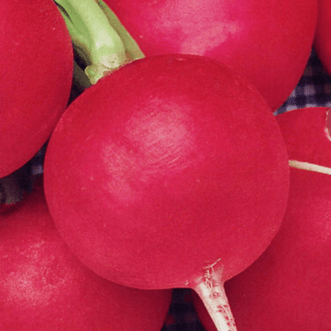
Radish German Giant
Very large round, red radish with a mild flavour. Amish heirloom dating back to the 18t
350 seeds
|
SKU: V8259.pkt
Regular price
NZ $4.00
Sale price
NZ $4.00
Regular price
Unit price
per
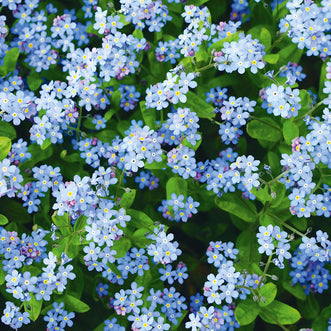
Forget-Me-Not Indigo Blue
A classic woodland plant that grows well in cool, shadier areas of the garden and wild
1000 seeds
|
SKU: F1116.pkt
Regular price
NZ $4.00
Sale price
NZ $4.00
Regular price
Unit price
per
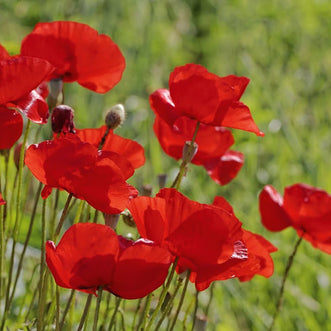
Poppy Flanders Red
Known as the Anzac poppy, single scarlet-red flowers for remembrance. Sow in drifts to
2500 seeds
|
SKU: F1218.pkt
Regular price
NZ $4.00
Sale price
NZ $4.00
Regular price
Unit price
per

Organic Carrot Berlicum
Very sweet early bunching carrot. Similar to Scarlet Nantes with high sugar and crisp t
1000 seeds
|
SKU: O6014.pkt
Regular price
NZ $4.00
Sale price
NZ $4.00
Regular price
NZ $0.00
Unit price
per

Organic Basil Sweet Genovese
A staple herb for home gardeners and our most popular basil for a reason - reliable, ar
500 seeds
|
SKU: O6001.pkt
Regular price
NZ $4.00
Sale price
NZ $4.00
Regular price
Unit price
per

Thyme English Winter
An essential in any herb garden. This variety has dark green broad leaves and is a basi
1000 seeds
|
SKU: H3082.pkt
Regular price
NZ $4.00
Sale price
NZ $4.00
Regular price
Unit price
per

Stock Night Scented
Very few plants can match the exquisite fragrance on the warm night air in summer. The
100 seeds
|
SKU: F1261.pkt
Regular price
NZ $4.00
Sale price
NZ $4.00
Regular price
Unit price
per

Yarrow Common White
A medicinal herb used extensively over the centuries for various ailments including to
5000 seeds
|
SKU: H3089.pkt
Regular price
NZ $4.00
Sale price
NZ $4.00
Regular price
Unit price
per
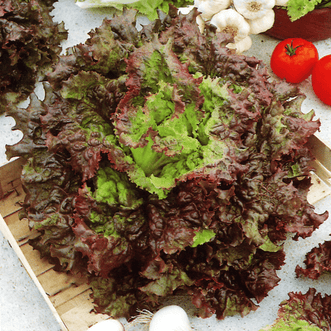
Lettuce Drunken Woman Fringed Head
Originating in Italy this heirloom variety is still a popular choice due to its reliabi
1000 seeds
|
SKU: V8174.pkt
Regular price
NZ $4.00
Sale price
NZ $4.00
Regular price
Unit price
per

Sunflower Sunfill Purple F1 (treated seed)
A unique PRE-BLOOM, bouquet filler harvested when the buds are full, b
35 seeds
|
SKU: F1338.pkt
Regular price
NZ $4.00
Sale price
NZ $4.00
Regular price
Unit price
per

Sunflower Sunfill Green F1 (treated seed)
A unique PRE-BLOOM, bouquet filler harvested when the buds are full, b
35 seeds
|
SKU: F1337.pkt
Regular price
NZ $4.00
Sale price
NZ $4.00
Regular price
Unit price
per

Eggplant Ebony
Large teardrop shaped purple fruit, which are the common type of eggplant known in New
50 seeds
|
SKU: V8374.pkt
Regular price
NZ $4.00
Sale price
NZ $4.00
Regular price
Unit price
per

Parsley Italian Flat Leaf
Widely cultivated, flat-leaf parsley such as this is often preferred by chefs and cooks
800 seeds
|
SKU: H3096.pkt
Regular price
NZ $4.00
Sale price
NZ $4.00
Regular price
Unit price
per

Organic Dill
Popular culinary herb with classic flavour. Abundant foliage on strong stems, slow to b
1000 seeds
|
SKU: O6026.pkt
Regular price
NZ $4.00
Sale price
NZ $4.00
Regular price
Unit price
per

Chives Broad Leaf
A commonly used herb, the green stalks (scapes) are diced and used as an ingredient for
500 seeds
|
SKU: H3033.pkt
Regular price
NZ $4.00
Sale price
NZ $4.00
Regular price
Unit price
per
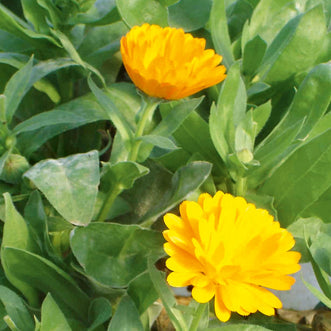
Calendula Nova
Considered among gardeners as one of the easiest and most versatile flowers to grow in
90 seeds
|
SKU: H3025.pkt
Regular price
NZ $4.00
Sale price
NZ $4.00
Regular price
Unit price
per

Delphinium Magic Fountains Mix
Large, double flowers of blue, mauve, purple and white with varying centres of white or
60 seeds
|
SKU: F1096.pkt
Regular price
NZ $4.00
Sale price
NZ $4.00
Regular price
Unit price
per

Marigold Honeycomb
Compact French marigold bearing full, crested flowers of mahogany-red, edged with golde
250 seeds
|
SKU: F1166.pkt
Regular price
NZ $4.00
Sale price
NZ $4.00
Regular price
Unit price
per

Zinnia Dahlia Flowered Mix
A very popular mix of 12cm, densely-petalled blooms in an array of vibrant colours. Pre
200 seeds
|
SKU: F1310.pkt
Regular price
NZ $4.00
Sale price
NZ $4.00
Regular price
Unit price
per

Sunflower Lollipop
A moderately tall sunflower best suited to brightening your garden and providing
50 seeds
|
SKU: F1384.pkt
Regular price
NZ $4.00
Sale price
NZ $4.00
Regular price
Unit price
per
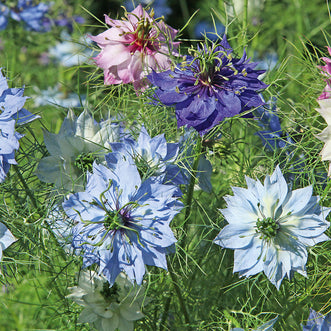
Nigella Love in a Mist
Star-shaped blooms in mixed colours su
500 seeds
|
SKU: F1195.pkt
Regular price
NZ $4.00
Sale price
NZ $4.00
Regular price
Unit price
per
Your Cart is Empty
Know what you’re looking for?
In a hurry? Know exactly what you want? You can enter the product codes here and proceed straight through the Checkout.
Use Quick CheckoutEarn two FREE Packets
You are just $40.00 away from earning two FREE packets.
Purchase value excludes gift cards purchased & delivery charges.
You have reached the maximum FREE bonus packets
Subtotal
NZ $0.00
Taxes and shipping calculated at checkout
Grab a copy of our new catalogue!
Catalogue
Catalogue
Regular price
NZ $2.50
Sale price
NZ $2.50
Regular price
Unit price
per
- Choosing a selection results in a full page refresh.
- Opens in a new window.