How to Grow Potatoes in New Zealand - Kings Seeds NZ

How to Grow Potatoes
Uncovering a crop of potatoes you had almost forgotten was growing would be one of the top garden surprises to be enjoyed. Potatoes are generous and incredibly easy to grow in New Zealand, whether you have a vegetable garden, raised bed or roomy container. Give them loose soil, steady moisture and frost protection, then let the treasure hunt begin. This guide explains when to plant, how to chit and mound them, what varieties to grow and when to harvest.
Shop Seed Potatoes at Kings Seeds
When to Plant Potatoes in New Zealand
For most New Zealand gardens, the main planting season runs from August to October. Warm, frost-free parts of the North Island may begin early varieties during August. In cooler regions, including much of the South Island, September or October is usually safer once the ground has started warming.
Your conditions matter more than a calendar date. Foliage is easily damaged by frost, while tubers may rot in cold, waterlogged ground. If frosts are hanging around and you're not prepared to watch the weather reports closely, chit them indoors and wait for the risk of frost to pass. In many areas around NZ you will still have time to plant another batch three to four weeks later to extend the harvest.


Choosing the Best Potato Variety
Some potatoes collapse into cloud-like mash, while others stay firm enough for a salad. Floury potatoes contain more starch and suit mashing, baking, chips, wedges and crisp roasting. Waxy types hold their shape through boiling, salads and soups. All-purpose potatoes sit between the two and suit several cooking methods.
The current Kings Seeds range includes:
- Agria, a floury, golden-fleshed main crop ideal for mash, roasting, chips and wedges. It matures in 90 to 100 days and stores well.
- Rocket, an early waxy potato with smooth white flesh. It is excellent boiled, roasted or served in salads and is ready in around 70 days.
- Purple Passion, a colourful all-purpose option suited to boiling, mashing and roasting. Expect a harvest in 70 to 80 days.
All three are NZ-grown, virus-free certified seed tubers. Certified stock reduces the risk of introducing potato viruses and offers a healthier start than sprouted eating potatoes from the pantry.
How to Chit Seed Potatoes
Chitting means encouraging short shoots before planting. It is optional but gives early crops a head start while the soil is cold or wet.
Place tubers in an egg carton or shallow tray and leave them in a cool, frost-free position with bright, indirect light for three to four weeks. Strong chits are short, sturdy and coloured rather than long, pale and easily broken. You will find that potatoes left in the dark will produce longer, weaker stems.
There is no need to place them in water. Handle sprouted tubers carefully at planting time so the shoots remain attached.
Preparing Soil, Raised Beds and Containers
Potatoes prefer full sun and loose, free-draining soil. Dig in well-rotted compost and remove large stones. Avoid fresh manure and too much nitrogen, which can create magnificent leaves at the expense of the root crop below.
A potato fertiliser provides a suitable nutrient balance. Follow the packet directions because more food does not guarantee larger tubers.
No garden bed? A pot or grow bag holding at least 40 litres is a good starting point for one or two seed potatoes. Containers need drainage holes and regular moisture checks as they will dry out faster.

How to Plant Seed Potatoes
- Dig a trench approximately 10 to 15cm deep.
- Place each tuber with its shoots pointing upwards.
- Allow 20 to 30cm between plants and about 60 to 75cm between rows.
- Cover gently with soil, taking care not to snap the chits.
- Water enough to settle the ground without leaving it saturated.
In containers, begin with 15cm of soil mix, position the tubers and cover with another 10cm. Add more as stems rise from the soil.
Mounding, Mulching and Frost Protection
Once shoots reach 15 to 20cm, raise the soil around the stems while leaving upper leaves exposed. This is called mounding. Repeat as they grow. Mounding prevents greening and provides loose material for new tubers to grow from the plant stem.
Plain soil works perfectly well. Pea straw or old leaves can also conserve moisture and provide cover. Avoid fresh green grass clippings against the stems. They can heat as they decompose, damaging foliage and encouraging rot. This is one lesson best learned from someone else's cooked potato plants.
If frost is forecast, cover foliage overnight with frost cloth or loose, dry mulch, then remember to uncover it once the frost danger passes.

Watering and Feeding Potatoes
Keep soil evenly moist rather than alternating between dry and saturated. Water is especially important when flowers appear and tubers begin bulking. Irregular moisture can reduce yield and cause cracking.
Water deeply, preferably in the morning, without repeatedly wetting the foliage. Stop heavy watering once the tops yellow so the skins can begin hardening before harvest.
How to Grow Bigger Potatoes
Large potatoes come from healthy foliage, adequate room and uninterrupted growth in loose, free-draining soil. Choose a generous variety, use certified seed and maintain steady moisture. Avoid crowding, drought and excessive nitrogen. An early rummage produces beautiful baby potatoes, but leaving a main crop to mature produces the whoppers.
Potato Pests, Diseases and Common Problems
Good airflow, rotation and healthy seed stock prevent many problems. Potatoes, tomatoes, capsicums and eggplants can share soil-borne diseases, so aim for a three- to four-year break before using the same ground again. Alternatively, if crop rotation is not feasible, cover crop the area with a biofumigant such as mustard or Smart Radish® between plantings.
Watch for:
- Tomato potato psyllid: These tiny insects can spread the bacterium associated with zebra chip. Leaves may curl or yellow and cooked tubers can develop dark bands.
- Potato tuber moth: Larvae tunnel through leaves and tubers. Keep the crop covered and prevent dry soil from cracking.
- Potato blight: Dark, rapidly spreading patches appear on foliage during humid conditions. Remove affected material promptly and do not compost it.
- Potato scab: Corky marks develop on the skin. Rotate crops, use clean seed and avoid lime immediately before planting.
- Slugs and wireworms: Damage is often discovered at harvest. Remove weeds, practise rotation and lift potatoes promptly once mature.
Green potatoes have received light. Do not eat green areas or badly greened tubers. Prevent this by mounding well and storing the harvest in darkness.
What Grows Well With Potatoes?
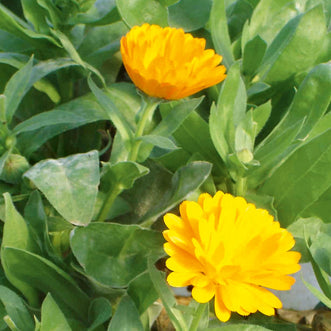
Companion planting is not a garden magic; it’s just nature working best together. Think alyssum, calendula and phacelia near potato rows to support beneficial insects to prey on pests. Leave plenty of room and keep potatoes separate from tomatoes, capsicums and eggplants because these relatives share pests and diseases.
When and How to Harvest Potatoes
For baby potatoes, have a gentle dig “squirrel” around beneath the soil once plants flower. Take a few large enough to eat and leave smaller ones growing.
For the main harvest, wait until foliage yellows and dies back. Choose a dry day and lift carefully with a garden fork, starting away from the stems to avoid spearing the prize.
Let them dry briefly out of strong sunlight. Never wash storage potatoes. Once dry, brush away loose soil, use damaged tubers first and keep the healthy, unblemished crop somewhere cool, dark and well ventilated.


Frequently Asked Questions About Growing Potatoes
Can I plant potatoes now?
Plant from August to October once soil is warming and hard frosts are less likely. Warm northern gardens can begin before colder southern or inland areas.
Can I grow potatoes in pots or containers?
Yes. Use a large container with excellent drainage, plant one or two tubers and add mix as shoots grow. Check moisture frequently.
Do potatoes need to flower before harvesting?
Not always. Flowers suggest young tubers may be forming, but some varieties bloom very little. Use the expected maturity time and foliage as your guides.
Why is my potato still hard after cooking?
Waxy varieties remain firmer than floury types. Uneven pieces, low heat and acidic ingredients such as tomatoes or vinegar can also slow softening. Cook potatoes until tender before adding acid.
What does frost damage look like in potatoes?
Frost-damaged tubers may appear glassy or water-soaked inside, then become soft, grey or rotten after thawing. They will not store well. Use any unaffected potatoes promptly, but discard tubers that are soft, discoloured, leaking or smell unpleasant. Do not keep damaged potatoes for planting.
How many potatoes should I plant?
One seed potato generally produces one plant, which may yield around 1 to 2kg of potatoes in good growing conditions. For a family of four, 15 to 20 plants is a useful starting point if you would like several generous meals through the season. Grow 30 to 40 plants if potatoes feature regularly on your table or you hope to store part of the harvest.
If space is limited, even five plants can provide a satisfying crop of fresh new potatoes. Ultimately, plant more than you think you need. Early “quality checks” have a habit of becoming dinner.
When should I plant potatoes for Christmas?
Count backwards from Christmas using your variety’s maturity time, allowing an extra week or two in cooler climates. Plant Rocket from September to mid-October, Purple Passion from September to early October, and Agria during September, preferably early in cooler areas. In Zones 3 and 4, frost protection or a mini greenhouse may help speed up growth. You can also harvest a few baby potatoes early once they’re large enough to enjoy.
Grow Your Own Potato Treasure
Give potatoes healthy loose soil, consistent moisture and enough cover to exclude light. In return, they offer one of gardening's best surprises: an underground harvest ready to boil, roast, mash and share.
Choose an early variety for Christmas, an all-purpose option for everyday meals or a floury main crop to store. Then plant extras. Nobody has ever lifted a bowl of fresh potatoes and wished they had grown fewer.
Shop NZ-grown certified seed potatoes and potato fertiliser at Kings Seeds