How to Grow Carrots in New Zealand

How to Grow Carrots in New Zealand
Carrots are one of those vegetables that feel simple, yet somehow trip people up. They grow underground, take their time, and quietly reflect whatever is happening in the soil above them. In this guide you’ll learn how long carrots take to grow in NZ, when and how to sow carrot seeds, what soil really matters most, why roots fork, whether seedlings are worth it, and how to harvest without snapping them in half. Written for New Zealand gardens and conditions.
Kings Seeds is a New Zealand owned family business with over 40 years of experience supplying quality seed and advice to gardeners nationwide. We believe growing is for everyone, and carrots are a wonderful place to begin.
How Carrots Grow
Carrots respond more to soil structure than almost anything else. They are not heavy feeders and they don’t ask for constant attention, but they do need space to grow downwards without hitting resistance.
In many NZ gardens, soil can be compacted, stony, or heavy with clay. When a carrot root meets an obstacle, it doesn’t stop growing, it changes direction. That’s how you end up with forked, twisted, or stubby roots.
Once you understand this, carrot growing becomes far less mysterious and far more forgiving. Watch our Top Tips on carrots here.
How Long Do Carrots Take to Grow in NZ
Most carrot varieties are ready between ten and fourteen weeks from sowing. Growth speed depends on temperature, moisture, and variety rather than the calendar alone.
Warm soil helps seeds germinate faster. Slightly cooler conditions later on often improve flavour. Many gardeners notice autumn-grown carrots taste sweeter, even though they take a little longer to size up.
Rather than watching the clock, check progress by gently brushing soil away from the top of a carrot to see how wide the shoulder has become.
When to Sow Carrots in New Zealand
Carrots can be sown across a wide part of the year in New Zealand, depending on where you live. Warmer regions allow longer sowing windows, while cooler areas benefit from late summer through autumn sowings.
What matters most is soil moisture during germination. Carrot seed is small and slow, which means drying out at the surface can stop seedlings before they even begin.
If you can keep the top layer of soil lightly moist for the first couple of weeks, you are already doing the hardest part well.

Sowing Carrot Seed Tips
Carrot seed does not need special treatment, but it does need consistency.
Prepare the bed by loosening soil deeply and removing stones. Avoid adding fresh manure or strong fertilisers just before sowing, as this often leads to leafy tops and poor roots.
Sow seeds shallowly, cover lightly, and water gently so the surface stays damp rather than washed away. During hot or windy weather, covering the row with shade cloth or a board can help hold moisture until seedlings appear.
Once they are up, remove covers and let light reach the leaves.
Watering Carrots
Carrots dislike extremes. Dry spells followed by heavy watering can cause splitting, while constantly wet soil can slow growth.
A steady rhythm works best. Water deeply when needed and allow the soil surface to dry slightly between watering. Mulch helps regulate temperature and slows evaporation, especially during summer.
If carrot tops wilt briefly during the hottest part of the day but recover by evening, that is usually normal behaviour.
Thinning Carrots
Thinning carrots feels wrong the first few times. It helps to remember that overcrowded carrots stay thin and compete for space underground.
Thin gradually rather than all at once. Start when seedlings are small, then return later to give final spacing. Water the soil beforehand so roots slip out easily and nearby seedlings stay undisturbed.
Those removed plants have done their job by making space for the rest.

Carrots in Containers and Raised Beds
If your soil is heavy or compacted, containers and raised beds are often the easiest path to success.
Use deep pots or beds filled with fine, free draining mix. Short or ball-rooted carrot varieties perform especially well in these conditions, though longer types can succeed if depth allows.
Containers dry out faster than garden beds, so regular checking becomes more important.
Carrot Varieties for NZ Gardens
Different carrots suit different situations.
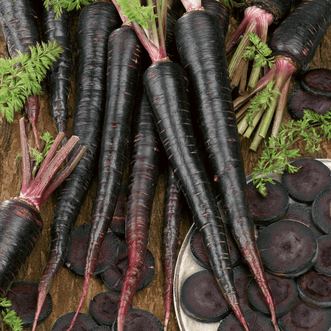
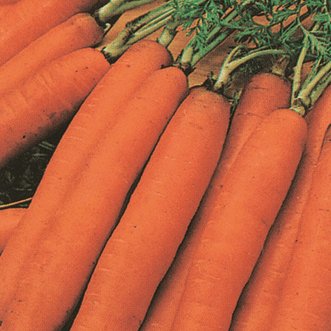
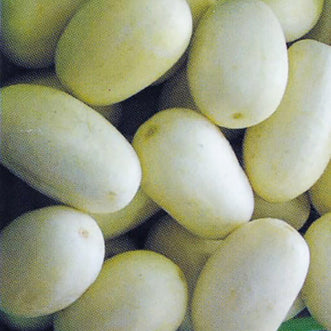
Short or rounded carrots, such as Paris Market or Kuroda Improved, cope well with heavier soils and pots. Long varieties, such as Scarlet Nantes or Touchon, prefer deep, loose ground. Some types grow quickly, like Amsterdam Sprint & Berlicum for regular harvesting, while others, such as Tendersweet & Rainbow Blend, might take a little longer and store well.
Choosing a variety that matches your soil and space makes far more difference than trying to force the wrong carrot into the wrong conditions.

Why Carrots Fork, Split, or Grow Strangely
Misshapen carrots are usually telling you something.
Stones, compacted soil, or rich organic matter added too close to sowing can redirect root growth. Uneven watering can also cause stress that shows up underground.
Improving soil structure and keeping moisture steady solves most carrot problems without extra products or treatments.
Carrot Pests and Diseases in NZ
Carrots in healthy soil tend to avoid most issues. Aphids may appear during warm weather, and leaf problems can occur if airflow is poor. Carrot rust fly is also common and can affect entire harvests.
Spacing plants well, rotating crops, and avoiding waterlogged soil all reduce disease pressure. Stressed plants attract more problems than relaxed ones.
Knowing When Carrots are Ready to Harvest
Carrots can be harvested young for tenderness or left longer for full size.
Check readiness by brushing soil away at the top to see how wide the root has become. Colour and thickness matter more than time alone.
Water the soil before harvesting so roots lift easily. Loosen gently if needed, then pull steadily to avoid snapping.
Leaving carrots in the ground until needed keeps them fresh, provided soil moisture stays balanced.
Can you Grow Carrots from Carrot Tops
Carrot tops will regrow leafy greens, but they will not produce a new carrot root.
For a fun experiment or a quick bit of greenery, carrot tops can be enjoyable. For actual carrots, seed is essential.
Where Carrots are Grown in New Zealand
Commercial carrots are grown across many regions of New Zealand, from the upper North Island through to Canterbury and beyond. This wide growing range reflects how adaptable carrots are when soil structure and moisture are managed well.
Home gardens can achieve excellent results in almost any region with the same principles.
F A Q
How long do carrots take to grow in NZ?
Most carrots mature within ten to fourteen weeks, depending on variety and conditions. Cooler growth often improves flavour.
Which carrot varieties suit my soil?
Short or rounded carrots suit heavy soils and containers. Longer types prefer deep, loose beds.
Can I plant carrot seedlings?
You can, though direct sowing usually gives straighter roots. Seedlings must be planted very young and gently.
How do I improve clay soil for carrots?
Loosen deeply, remove stones, add compost over time, or grow in raised beds or containers.
What pests affect carrots in NZ?
Aphids and leaf issues appear when plants are stressed. Good spacing, rotation, and steady watering help prevent problems. Carrot rust fly can also pose a problem, this is where crop rotation helps.
How do I know when carrots are ready?
Check shoulder size by brushing soil away. Harvest young or mature, depending on preference.
Grow Carrots with Confidence
Carrots reward patience and simple care. Prepare soil well, keep moisture steady, thin with intention, and let roots grow at their own pace.
If you’re looking for the Best Seeds NZ, or Trusted Seeds NZ from seed suppliers nz who understand local conditions, Kings Seeds is here to help you sow, nurture and nourish with confidence.