The Best Guide to Growing Brussels Sprouts - Kings Seeds NZ

Growing Brussels Sprouts in New Zealand
Imagine the satisfaction of harvesting your own Brussels sprouts on a crisp morning, each little green gem a testament to your patience and care. Growing Brussels Sprouts in New Zealand provides a guide for this rewarding gardening goal. Brussels sprouts are a slow-and-steady crop that rewards patience with crisp, sweet little sprouts through the cooler months.
This guide explains how to grow Brussels sprouts from seed to harvest in New Zealand. You'll discover the various growth stages of Brussels sprouts and the ideal soil and sunlight conditions. We also cover spacing and feeding habits for optimal growth. Find solutions to common Brussels sprouts problems and simple tricks for enhancing flavour.
You will also understand how Brussels sprouts grow on a tall central stem, how to protect them from wind, when to pick for the best texture, and how tall they typically grow in a backyard. For those searching for Best Seeds NZ, Trusted Seeds NZ, or seed suppliers NZ, we offer tips for selecting the right seeds to ensure a strong beginning.
Brussels sprouts growing stages
Picture your Brussels sprout stalk thickening week by week, each leaf unfurling at its own pace. This slow rhythm is not just a process but a test of your gardening patience, rewarding you with the anticipation of crisp, sweet sprouts with the added bonus of not all being ready at the same time.
Stage 1: Brussel sprouts germination and seedlings
Seeds usually sprout in about one to two weeks in warm, moist conditions. Small plants start with rounded seed leaves, then true leaves appear with that classic brassica look.
Stage 2: Brussels sprouts leafy growth
A sturdy rosette forms first. During this time, plants focus on root and leaf strength/growth, which is why consistent moisture and good feeding matter early.
Stage 3: Brussels sprouts stem stretch
Next the main stalk thickens and rises. This is when people start asking how tall do Brussels sprouts grow. In many New Zealand gardens, the plant reaches 60 to 90 centimetres tall, depending on the variety, soil, and weather. Some types can push higher in rich, sheltered ground.
Stage 4: Brussels sprouts formation
Small buds form in each leaf joint along the stem. Those buds are going to be your sprouts. Cool nights help firmness and sweetness.
Stage 5: Brussels sprouts maturity and picking
Lower sprouts size up first. Harvest often starts at the base and then moves upward as new sprouts tighten.

Where to Plant Your Brussels Sprouts
Choose a spot that helps tall plants stay steady and upright. Shelter from the wind and stake them for extra support.
Full sun is ideal for strong stems and tighter sprouts. Light shade can work in hotter areas as long as plants still get plenty of bright daylight.
New Zealand wind can be destructive. A site with protection from strong gusts helps prevent rocking roots and leaning stems. A fence line can help as long as it does not steal the light. Staking them at planting to secure to will also give you extra success.
Aim for deep, fertile soil that drains well yet holds moisture. Brussels sprouts dislike soggy feet and also sulk and perform poorly in dry, dusty ground.
Crop rotation for Brussels sprouts
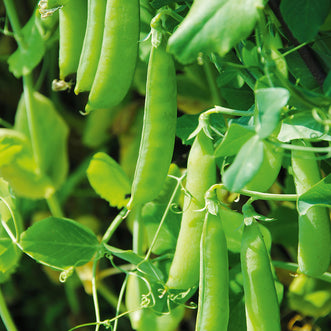
Try not to plant Brussels sprouts where other brassicas have grown recently. Rotation reduces pest and disease pressure. So plant where you’ve previously had legume crops such as peas and beans, or where a cover crop has recently been grown.
Spacing for Brussels sprouts
Give them room. Crowded plants fight for light and airflow. Our sowing guide suggests allowing about 45cm between plants, with a generous 60cm between rows if you are doing more than one line.
Step-by-Step Guide on Growing Brussels Sprouts
These practical tips will help grow Brussels sprouts in a New Zealand garden.
1: Pick the best time to sow Brussels Sprouts
The best time to sow seeds is late summer into early autumn, which is a classic window for sowing brassicas in many zones, so plants mature through winter and into spring. Cooler weather improves the flavour and reduces the bitterness of Brussels sprouts.
2: Start your Brussels sprouts seeds
Sow seed at 6mm deep, into seed trays or small pots with a quality seed-raising mix. Then keep evenly moist. Place somewhere bright and warm. Tip: sow into wool pots for added transplant success.
3: Thin and harden Brussels sprouts seedlings
Once seedlings have a few true leaves, we suggest thinning to the strongest seedlings. Before planting out, harden them off by gradually exposing plants to outdoor conditions over several days if they have not been raised outdoors.
4: Prepare soil for Brussels sprouts
Work compost into the soil and aim for a firm bed rather than a fluffy one. Brassicas like Brussels sprouts like a steady footing. If your soil is acidic, add garden lime earlier in the season so it has time to settle in. For more on testing soil, check out our quick video here.
5: Plant out your Brussels sprouts
Transplant when seedlings look sturdy, and roots hold the mix together. Set plants a little deeper in the soil than they sat in the seedling tray and water in well. Stake the area at planting time.
6: Supporting Brussels sprouts early
As the plant stalk grows, it is best to tie it to a support/stake in windy sites. A gentle tie is enough. We want to keep those roots from being disturbed and moved.
7: Even Brussels sprout growth
Brussels sprouts do best with consistent moisture and regular feeding. Uneven stress can lead to loose sprouts or a bitter taste. Mulching can help create a stable, productive soil environment.

Care and Maintenance For Brussels Sprouts
Brussels sprouts are not hard by nature. They just have a set of rules around what they need.
Water & Brussels sprouts
Aim for steady moisture, especially during dry spells. Deep watering is better than frequent splashes. Mulch helps keep roots cool and reduces weeds. Hot, dry roots are one of the main reasons a Brussels sprouts plant bolts and flowers early.
Feeding & Brussels sprouts
These plants are hungry. Start with rich soil, then top up during the season. A balanced vegetable fertiliser works well. If leaves look pale, growth may be slow, which is a hint that they want more nutrition.
Weeding & Brussels sprouts
Keep the base of the plants clear of weeds, so plants do not have to compete for water and nutrients. Weeds can also block airflow, inviting disease.
Pest watch & Brussels sprouts
Common brassica pests include white butterfly caterpillars, aphids, and slugs on young seedlings.
Practical options:
• Inspect leaves often and remove caterpillars by hand
• Use fine insect netting to block butterflies from the beginning
• Encourage beneficial insects by keeping nearby companion flowers & herbs
• Protect young plants from slugs with safe barriers such as wool mulch
Leaf management & Brussels sprouts
As sprouts begin forming, you can remove a few of the lowest yellowing leaves to improve airflow and access. Avoid stripping too many at once since leaves feed the plant.
Tip for tighter Brussels sprouts
Near the end of the season, some gardeners pinch out the top growing tip to send energy into sprout sizing. Do this once many sprouts are already formed, and you want them to bulk up.
Watch our reel on growing Brussels sprouts here.
Harvesting Brussels Sprouts
Harvest time is where patience turns into dinner.
Pick when sprouts feel firm and reach a usable size. Smaller sprouts can be sweeter and tender. Overgrown ones can turn strong and loose.
Start from the bottom of the stem. Twist each sprout off with a gentle snap motion. Work upward as the upper sprouts mature.
Cool conditions help flavour. If you can harvest after a cold night, you may notice a sweeter taste.
After harvesting Brussels sprouts
Many plants keep producing upward for a while. Keep watering if the weather is dry, and continue light feeding until the last pick. You may wish to let a plant go to seed so pollinators can enjoy it. Or as a trap crop for aphids.

F.A.Qs Brussels Sprouts
Do Brussels sprouts like sun or shade?
Full sun suits them best because it builds strong stems and tight sprouts. Light shade can be fine in hotter places if plants still get bright daylight for most of the day.
Do Brussels sprouts come back every year?
No. They are usually grown as an annual crop. Plants produce sprouts, then finish. Save your space for the next season and rotate beds to reduce brassica pests.
Should I trim Brussels sprout leaves?
Remove a few lower yellow leaves to improve airflow and make harvesting easier. Keep most leaves in place, since they feed the plant and help sprouts grow.
Why are Brussels sprouts so hard to grow?
They take time, and they dislike stress. Uneven watering, poor feeding, wind rocking, and pests can all reduce sprout quality. Steady care and good soil make them far easier.
How do I know when my Brussels sprouts are ready to harvest?
Sprouts should feel firm and tight when squeezed. Start with the lowest sprouts once they reach a good size, then keep picking the ones above as they mature.
Ready to grow your own Brussels spouts this season?
If you want a winter & spring harvest that feels like you’ve ticked off your gardener's growing bucket list, start planning your Brussels sprouts now. Join fellow Kiwi growers choosing resilient local varieties that thrive in New Zealand's unique climate. Our community of gardeners is committed to selecting quality seeds from their Trusted Seeds NZ supplier. Our Brussels sprouts varieties are tried and tested by New Zealand gardeners and loved for their growth and taste, shop Kings Seeds today.