Herb Companion Planting Guide - Kings Seeds

Herb Companion Planting Guide
Herb companion planting means growing herbs, vegetables and flowers together based on what they need to thrive. Choose plants that enjoy similar conditions, give them space to grow and let some herbs flower to attract pollinators and beneficial insects.
Adding a few herbs can bring your garden to life. Try basil beside tomatoes, chives along a path or thyme at the edge of a sunny bed for easy picking. You do not need a dedicated herb garden. Pots, raised beds and backyard patches all offer opportunities to grow herbs alongside other plants.
At Kings Seeds, we’ve been helping New Zealand gardeners grow from seed for over 45 years. This guide shares practical herb pairings to help you plan what to plant together and where.
What is Companion Planting with Herbs?
Companion planting with herbs is about growing different plants close together for useful reasons. This can help you use space better, give insects flowers to visit, or group plants that need the same amount of water.
Some classic plant pairings are said to make vegetables taste better or keep pests away, but results can differ. It is best to see companion herbs as helpful neighbors in the garden, not a fix for every issue. Good soil, the right conditions, and regular care are still important.
When planting herbs with vegetables, think about sunlight, water needs, and how big each plant will get. Flowering herbs can help insects even if they are not in the same pot or right under your vegetables.

Herbs to Include in Your Companion Planting Plan
Anise
Anise suits a sunny position with good drainage. Grow it near coriander where both have room to develop, leaving some flowers for visiting insects.
Basil
Basil and tomatoes make a practical summer pairing because both enjoy warmth, sunshine and regular moisture. Position basil where expanding tomato foliage will not shade it heavily.
Borage
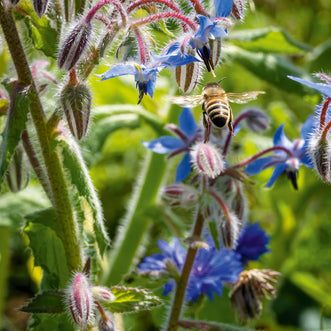
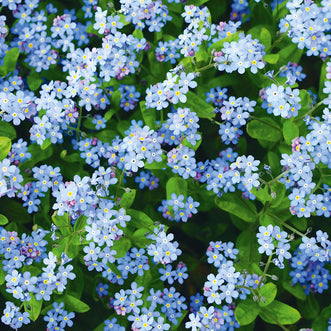
Borage brings blue flowers and bee activity to vegetable gardens. Grow it near strawberries or along the edge of a squash patch, giving its broad leaves plenty of space.
Caraway
Caraway can join parsley or coriander in a sunny bed with good drainage. Its flowering stems need room above neighbouring plants.
Chamomile
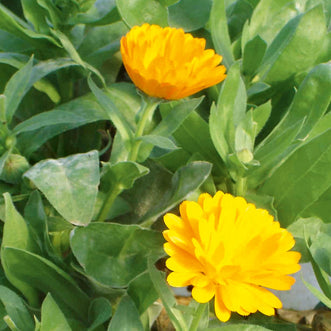
Chamomile adds soft foliage and daisy flowers to a mixed planting. Place it beside low herbs or at a vegetable bed’s edge where taller crops will not crowd it.
Chervil
Chervil prefers cooler conditions and some shelter from fierce summer sun. Try it near parsley or beside leafy vegetables where moisture stays reasonably consistent.
Chives
Chives form manageable clumps, making them useful beside parsley or along vegetable bed edges. Their flowers offer food for pollinators.
Coriander
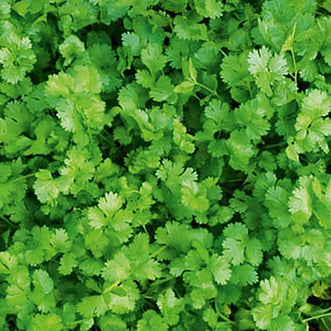
Coriander fits well beside parsley and chervil in cooler parts of the growing season. Sow small batches for a continuing supply of leaves.
Dill
Dill’s flowers are useful for beneficial insects, making it a welcome addition near vegetable beds. Give tall stems space and shelter from strong winds.
Fennel
Herb fennel becomes a substantial plant, so a separate sunny position often works better than a crowded vegetable bed. Its flowers can support beneficial insects.
Hyssop
Hyssop suits a sunny border with good drainage. Place it alongside thyme or sage where its flowers can be enjoyed by pollinators.
Lavender
Lavender works well near rosemary, thyme and sage in a sunny, freely draining position. Keep it apart from beds needing frequent irrigation.
Lemon Balm
Lemon balm offers fragrant leaves and flowers for visiting bees. A container is handy where space is limited, because established plants can spread and self seed.
Lovage
Lovage needs a generous position rather than a gap between small seedlings. Its tall growth can shade shorter herbs, so place it where that will not become a problem.
Marjoram
Marjoram enjoys sunshine and good drainage. Pair it with thyme or oregano in a suitable bed, keeping enough space between plants for harvesting.
Nasturtium
Nasturtiums bring flowers and spreading foliage to mixed beds. Choose a compact variety for tight spaces or let trailing types spill over an edge.
Oregano
Oregano grows comfortably with rosemary, sage and thyme where drainage is good. Its spreading habit needs occasional attention around smaller plants.
Parsley
Parsley and chives are a useful pairing for beds or roomy containers. Both appreciate moisture without waterlogging.
Rue
Rue needs thoughtful placement rather than a spot among frequently picked kitchen herbs. Its sap can irritate skin, especially in sunlight, so avoid busy paths and children’s growing areas.
Sage
Sage shares a preference for sunshine and good drainage with rosemary and thyme. Give it space to become a small shrub.
Thyme
Thyme is useful along sunny edges, beside oregano or near sage. Low growth makes it easy to fit into smaller spaces, although neighbouring leaves should not smother it.

Herb Companion Planting Table
Use this chart to help match plants with the right growing conditions. These are helpful tips, but they do not guarantee bigger harvests or fewer pests.
Herb Partner Tip
| Anise | Coriander | Sunshine and room to flower |
| Basil | Tomatoes | Warmth, moisture and enough light |
| Borage | Near strawberries or squash | Broad growth and self seeding |
| Caraway | Parsley or coriander | Space for flowering stems |
| Chamomile | Mixed herb or flower edges | Check annual or perennial type |
| Chervil | Parsley or leafy vegetables | Cooler conditions and light shade |
| Chives | Parsley | Moisture and space for clumps |
| Coriander | Chervil or parsley | Successive sowings in suitable weather |
| Dill | Near vegetable beds | Height and wind shelter |
| Fennel | Separate sunny border | Mature size and self seeding |
| Hyssop | Thyme or sage | Sunshine and drainage |
| Lavender | Rosemary, sage or thyme | Avoid constantly wet soil |
| Lemon balm | Its own pot near beds | Manage spread, self seeder |
| Lovage | Spacious bed edge | Avoid shading smaller plants |
| Marjoram | Oregano or thyme | Drainage and harvesting room |
| Nasturtium | Mixed bed edges | Manage spread and check pests |
| Oregano | Rosemary, sage or thyme | Allow for spreading growth |
| Parsley | Chives or chervil | Consistent moisture |
| Rue | Separate, low traffic position | Avoid skin contact with sap |
| Sage | Rosemary or thyme | Space for mature growth |
| Thyme | Sage or oregano | Sunshine and open surroundings |
Making Herb Companions Work in New Zealand
Local weather is more important than sticking to a set planting date. Plant basil outside after the last frost and when it is warm enough. If you live in a cooler area, start basil indoors and move it outside slowly.
Coriander and chervil usually do best in the cooler parts of the year, especially if hot summers make them flower early. If your area is wet, focus on good drainage for Mediterranean herbs. Raised beds or pots are helpful if your soil stays wet in winter.
When planting herbs and flowers together, choose ones that bloom at different times so you have flowers all season. Make sure you can reach your plants to water them and pick herbs without stepping into the beds.
Herb Companions FAQ's
What herbs are good to plant together?
Rosemary, oregano, sage, and thyme all like sunny spots with good drainage. Parsley and chives also grow well together because they both like steady moisture. Always match plants by their needs and size, especially if you are planting them in the same pot.
What herbs should not be planted together?
Do not plant herbs with very different water needs in the same pot. It is easier to grow rosemary and parsley separately since parsley likes more water. Mint grows quickly, so keep it in its own container. Give big herbs like fennel and lovage plenty of space.
Can I plant rosemary and oregano together?
Yes, you can plant rosemary and oregano together because they both like sun and well-drained soil. Make sure there is enough space for rosemary to grow, keep oregano from spreading too much, and water young plants as they settle in. A large pot works well if it drains properly.
What not to plant with basil?
Do not plant basil in the same pot as herbs that like dry soil, like rosemary or lavender. Make sure basil is not shaded by bigger plants. Instead of relying on old lists of bad companions, focus on matching warmth, moisture, and space.
Do companion herbs keep pests away?
Some plant combinations can affect pests, but results depend on the plants, insects, and your garden conditions. Flowering herbs help attract good insects. Keep checking your plants and use other pest controls if needed, since herbs alone may not solve every problem.

Start with a Few Herbs You Love
Start by picking two or three herbs you like to use, then look for plants that need similar care. Try a pot of chives, basil next to summer tomatoes, or flowering thyme along a border to get started.
Take a look at the Kings Seeds herb selection and add some extra flavour & protection to your garden.