


Botanical Name
Lifecycle
Sowing Time
Growing Guidance
Preferred Site
Preferred Growing Method
Soil Temperature for Optimum Germination
Days to Germination
Days to Maturity
Plant Height
Seed per gram (Approximately)
Germination
Annual
A plant that completes its entire life cycle (germinates, grows a plant, flowers, produces seed, dies) in one season. It may self-sow, thereby giving the impression of being perennial. Most annuals will flower 60 to 75 days from sowing.
Hardy Annual
An annual that does not need to be germinated indoors but can be sown direct into its growing position in the garden in spring and is tolerant of frost.
Tender Annual
An annual that is frost tender and can be germinated indoors. Sowing direct or planting outdoors must not occur until all danger of frost has passed (also known as a Half-Hardy Annual).
Biennial
A plant that completes its entire life cycle in two years - growing in the first, reproducing and dying in the second. Typically, but not always, producing flowers only in the second year.
Perennial
A plant that can live for more than two years, surviving the winter and flowering each year from the second season. Perennials may flower within 90 days of sowing in their first season but will more typically flower in their second season.
Hardy Perennial
A perennial that is frost tolerant.
Tender Perennial
A perennial that is frost tender.
Hardy
A plant that will survive frost.
Tender
A plant that will not survive frost.
Bolting
Going to seed. Premature formation of a seed stalk, may be due to plant stress.
Botanical Name
The formal scientific name conforming to the International Code of Nomenclature for plants. Identifies the genus and species to which the plant belongs useful in distinguishing plants uniquely.
Cotyledon
The seed leaves or first leaves that emerge from a germinated seed, different in form from the later true leaves.
True Leaves
The leaves that emerge after the cotyledons which are indicative of the true form
of the plant’s leaves.
Determinate
Growth stopped by development of terminal flower buds. A dwarf/bush variety which sets fruit in a concentrated period.
Indeterminate
Growth continuing indefinitely when leaf buds form at the tip of the growth. These varieties need to be staked and continue to set fruit until frost.
Heirloom
A variety that is older than two generations (50 years). Can also be referred to as “Heritage” and is always an open pollinated variety selected for garden performance (flavour, long harvest).
Hybrid
A plant resulting from a cross between two parent plants to give a genetically superior plant i.e. improved disease resistance, better vigour, more uniform harvest. Normally, seed saved from hybrids does not grow true to type.
F1 - The first generation of such a cross. Denoted in the name of the variety.
F2 - The second generation of such a cross etc.
Open Pollinated
Natural cross between plants of the same variety. Refers to non-hybrid seeds or plants.
Scarification
The practice of scratching, sanding, notching or nicking the seed coat to assist germination. Used for seed of species that have very hard seed coats.
Stratification
The process of chilling seeds to promote germination by breaking dormancy. Can be artificially carried out by placing seed in your fridge. Follow specific instructions online for the period of chilling time.
Surface Sow
Seed that requires light to germinate. Sow seed on the surface. Press down into the soil. Keep moist.
Germination
Seed germination is the process by which a seed sprouts and begins to grow into a plant. It involves rehydrating the seed, activation of metabolic processes and the emergence of a young seedling from the seed coat. This process is triggered by factors like temperature, water and in some cases light.
Viability
The ability of seeds to germinate.
Vigour
The speed and the strength of the plant to establish well.
Delivery
Courier delivery by NZ Post.
Delivery available only to valid New Zealand
addresses.
The appropriate delivery charge will be applied at checkout.
Delivery charges are subject to change without notice.
You can track the status of your shipment via the link provided in your order confirmation email or by logging into your account online.
Click n Collect
Seed can only be collected from our warehouse at 189 Wharawhara Rd, Katikati.
Select Click n Collect at the checkout.
Click n Collect does not apply for collection at any Kings Seeds stockists nationwide.
Returns
Seed or Products can only be returned with authorisation from Kings Seeds.
Any request for the return of Seed or Products must be made within 14 days of delivery to info@kingsseeds.co.nz
Returned Seed or Products will only be accepted if unopened and in the same condition as when supplied and a record of your purchase can be found.
The Customer shall pay all costs in relation to return of the Seed or Products unless it is deemed a warranty issue.
Please see our Terms & Conditions of Sale for further information on our Returns Policy.

Achillea Pastel Fruits
Colourful mix of yarrows in shades of rose, pink, peach and white. Great for cutting or

Beetroot Cylindra
A long-time favourite for bottling due to the uniform, cylindrical roots that yield man
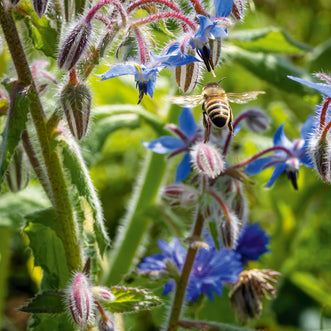
Borage
Borage is grown mostly for its bright blue edible flower and is an excellent bee plant

Cabbage Copenhagen Market
Heirloom cabbage for smaller gardens growing to maturity at 2-2.5kg. Neatly formed with

Calendula Dwarf Colours Mix
Compact, bushy plants are covered with 7-8 cm blooms in a wonderful mix of standard and

Campanula Blue Bell
One of the best of all perennial bell flowers. From the spreading roo

Cauliflower Violet Sicilian
A vibrant purple cauliflower that is best used raw in dishes, tasty marinated within a

Celery Tall Utah
A long-time favourite for the production of crunchy, juicy stalks of celery. A reliable
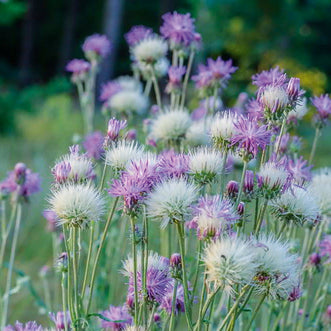
Centaurea Sweet Sultan Mix
Cottage garden favourite with honey-scented, soft thistle-like flowers in white, rose,

Centaurea The Bride
Centaurea ‘The Bride’ (Centaurea moschata) is an elegant annual flowering plant known f

Chilli Cayenne Flame
Popular in many Asian and Indonesian countries, Cayenne chillies are harvested either g

Chives Broad Leaf
A commonly used herb, the green stalks (scapes) are diced and used as an ingredient for
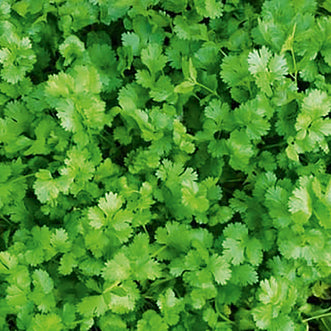
Coriander Picante
A very popular herb for culinary use, all parts of the plant are edible, but the fresh

Cornflower Blackball
Unique, deep burgundy to almost black-coloured flowers, that are striking in floral wor

Cosmos Day Dream
Cosmos Day Dream is one of those flowers that seems to do every
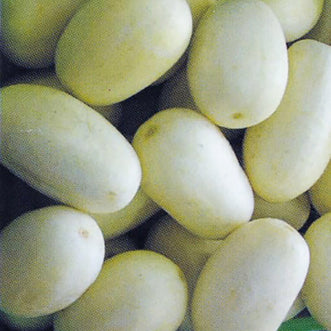
Cucumber Crystal Apple
Apple-size cucumber with sweet taste and crisp juicy flesh that can be eaten thin skin
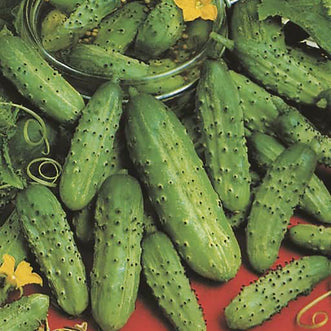
Cucumber Homemade Pickles
Bred for pickling, these medium-green cucumbers have crisp flesh and excellent flavour.
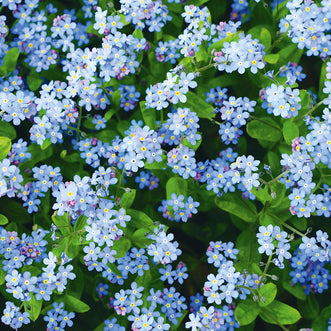
Forget-Me-Not Indigo Blue
A classic woodland plant that grows well in cool, shadier areas of the garden and wild
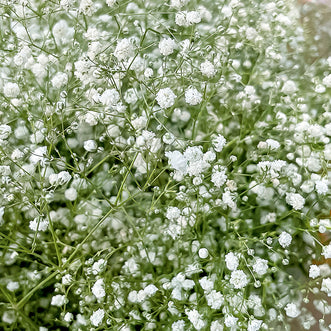
Gypsophila Virgo
Delicate stems and myriads of white, double blossoms add a delightful airy grace to any
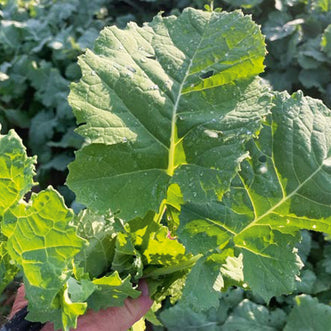
Kale Noble
Known for its remarkable resilience and fast growth, a gentle frost not only enhances i

Kale Scarlet
Attractive curled red kale with attractive frilly leaves as much at home in the flower
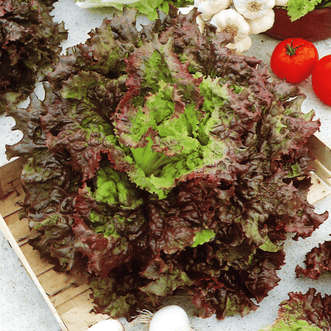
Lettuce Drunken Woman Fringed Head
Originating in Italy this heirloom variety is still a popular choice due to its reliabi

Lupin Russell Mix
Magnificent in the border garden or naturalised in a cottage garden setting. The flower

Marigold Naughty Marietta
Tagetes patula ‘Naughty Marietta’ is a charming and compact French marigold, much loved
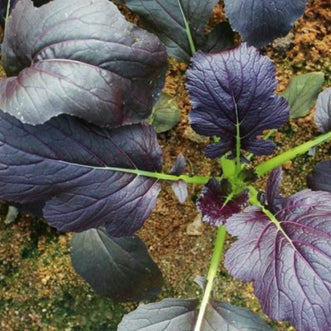
Mizuna Red Kingdom F1
Finely serrated mustard with dark purple leaves and dark veins at babyleaf size (21 day
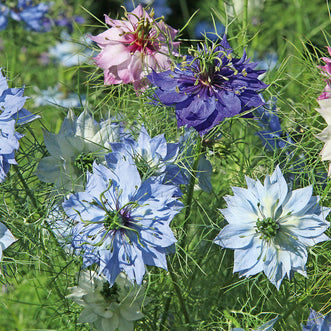
Nigella Love in a Mist
Star-shaped blooms in mixed colours su

Onion Pearl Drop
Pure white cocktail onion for bunching or pickling. Extra early, beginning to mature 75

Organic Basil Sweet Genovese
A staple herb for home gardeners and our most popular basil for a reason - reliable, ar
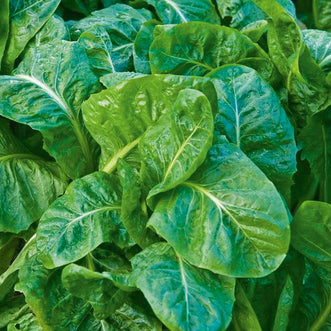
Organic Beet Erbette
Selection of perpetual spinach, with a thinner stem and light-green leaf. An excellent

Organic Beetroot Detroit Dark Red
A reliable and adaptable variety that is widely grown. Produces globe shaped roots with
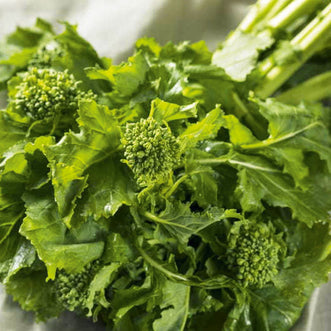
Organic Broccoli Raab Spring Rapini
Italian specialty, no central head but many tasty leaves and side shoots with green flo

Organic Carrot Berlicum
Very sweet early bunching carrot. Similar to Scarlet Nantes with high sugar and crisp t

Organic Dill
Popular culinary herb with classic flavour. Abundant foliage on strong stems, slow to b

Organic Kale Tuscan Black
Italian heirloom kale with slate-grey, long narrow blistered leaves. The leaves have a

Organic Leek Carentan Giant
An old European variety that reliably produces good quality leeks with a straight shank

Organic Radish White Daikon
Popular long white Japanese radish ideal for eating fresh or for pickling. The cylindri
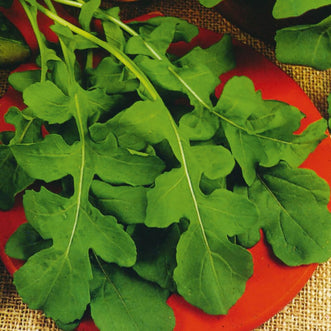
Organic Rocket
Equally good on its own or in a salad, rocket has a distinctive slightly bitter and pep

Pak Choi White Stem
A versatile and easy-to-grow vegetable perfect for home gardens. With crisp white stems

Parsley Italian Flat Leaf
Widely cultivated, flat-leaf parsley such as this is often preferred by chefs and cooks
In a hurry? Know exactly what you want? You can enter the product codes here and proceed straight through the Checkout.
Use Quick CheckoutYou are just $40.00 away from earning two FREE packets.
Purchase value excludes gift cards purchased & delivery charges.
You have reached the maximum FREE bonus packets
Subtotal
NZ $0.00
Taxes and shipping calculated at checkout
Catalogue