How To Grow Luffa at Home – Kings Seeds NZ

How to Grow Luffa
A sponge growing on a vine? It sounds unlikely until you see one for yourself. Luffa is a vigorous warm-season climber that produces long, green fruit. Harvest them young for cooking, or leave them to mature and dry into natural sponges.
If you’re wondering how to grow luffa in New Zealand, the keys are warmth, an early start and a strong place for the vines to climb. Give the fruit enough time to mature, and you could finish the season with sponges you grew from seed.
Watch our luffa growing tips here.
What is a luffa plant?
Luffa is a member of the gourd family, alongside cucumbers and pumpkins. It grows as a frost-tender annual, producing climbing vines, yellow flowers and elongated fruit. The familiar luffa sponge is the fibrous network inside a mature, dried fruit. It doesn’t come from the sea, as many think.
For homegrown sponges, start with Gourd Luffa, also known as smooth luffa. Its young fruit can be eaten, while mature fruit can be dried and prepared for use in the bathroom or around the home.
Angled Long Ridge F1 is a ridged luffa grown mainly for its young, edible fruit. It’s a lovely option if cooking with luffa is your priority. The smooth Gourd Luffa is the better choice when your heart is set on growing sponges.
When and where to grow luffa in New Zealand
Luffa needs a long, warm growing season. Choose a sunny, sheltered spot with fertile, free-draining soil and room for substantial support. A sturdy trellis, pergola or strong wire frame will give the vines somewhere to climb and allow the fruit to hang straight.
September to November is the recommended sowing window for Gourd Luffa. In cooler parts of New Zealand, starting seeds under cover or indoors can help you make the most of the season. Wait until frost has passed and conditions are reliably warm before planting seedlings outside. Gardeners with shorter summers, such as zone 4, may find a greenhouse or another warm, sheltered position helpful, especially when growing fruit to full sponge maturity.
Planning tip: Put your support in place before planting. A luffa vine is far easier to guide while it’s young than when it has made itself at home across half the garden.

Growing luffa step by step
1. Sow the seed somewhere warm
Soak Gourd Luffa seed for 2–4 hours before sowing. Plant it 25 mm deep in a well-draining seed-raising mix, then keep the mix moist without leaving it waterlogged.
The ideal soil temperature for germination is 20–30°C, and seedlings usually emerge in 7–14 days. Gentle bottom heat can help when spring conditions are cool.
2. Grow on the seedlings
Give seedlings plenty of light and steady warmth. Once they have two sets of true leaves, they can be moved towards their final growing position. If they were raised indoors or in a protected space, introduce them gradually to outdoor conditions before planting them out.
Avoid leaving luffa plant seedlings in small pots for too long. Plan your sowing so they can move into warm soil once the risk of frost has passed.
3. Plant with space to climb
Plant in a sunny position at the base of your support. Space Gourd Luffa plants 60 cm apart, with 150 cm between rows. Gently guide young growth onto the trellis as it develops.
A strong frame matters: luffa vines grow long, and their fruit becomes heavier as it matures. Growing vertically also helps the fruit develop a straighter shape and keeps it clear of damp ground.
Luffa plant care through summer
Water regularly; this is important while the vines are growing quickly and setting fruit. Aim to keep the soil consistently moist rather than swinging between very dry and very wet. A layer of mulch can help the soil hold moisture through hot weather.
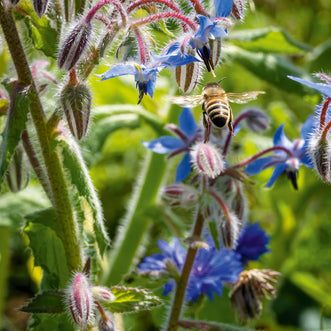
Luffa plants produce separate male and female flowers. Pollinators need to move pollen between them so fruit can develop. If you see flowers but no luffas at first, give the plant time: male flowers most often appear before female flowers. Keep the growing area welcoming to pollinators by planting some companions like borage or marigold nearby.
If a vine becomes difficult to manage, you can pinch out its growing tip when trailing growth reaches around 150 cm. This can encourage fruiting and keep the plant more manageable. Continue directing new growth across its support so the developing fruit has room to hang.

Harvesting luffa for eating or sponges
The right harvest stage depends on what you want to make.
For cooking, pick the fruit when it is young and tender (about 15–20 cm long), before the fibrous interior develops. Suited to dishes such as stir-fries and soups.
For sponges: Leave Gourd Luffa fruit on the vine until it has fully matured and begun to dry. The skin will change colour, and the fruit will feel lighter as the flesh dries around its network of fibres. Ideally, allow it to become brown and dry on the vine, while keeping an eye on the weather as the season ends.
Gourd Luffa takes approximately 90–100 days from transplant to maturity. Think of that as a planning guide rather than an exact date for a finished sponge: warmth, planting time and late-season weather all affect how quickly a fruit dries.
How to dry and prepare a homegrown luffa sponge
Once a fruit is mature, cut it from the vine and leave it in a dry, airy place if it needs further drying. When the outer skin is dry, peel it away to expose the fibrous sponge inside. Shake out the seeds, then rinse away any remaining bits of skin or pulp.
After rinsing, squeeze out excess water and let the sponge dry completely in a well-ventilated place before storing it. You can leave it whole or cut it into smaller pieces for the kitchen or bathroom. Let it dry thoroughly between uses, too.
Not every fruit will dry at the same pace. Check each one before storing it and set aside any that has become soft or mouldy.
Some gardener say soaking the luffa prior to peeling can help with the skin removal, some don't, there are many things to factor in like how large the luffa is to how long it's been drying.

How to Grow Luffa FAQ's
How long does it take to grow a luffa?
Gourd Luffa takes approximately 90–100 days from transplant to maturity, following around 7–14 days for germination. Fruit harvested young for eating is ready sooner. Growing a fully dried sponge calls for a long, warm season and extra patience at the end.
Does a luffa plant come back every year?
No. Luffa is a frost-tender annual in New Zealand. Sow fresh seed each spring for another season of vines and fruit.
Does a luffa plant need a trellis?
A strong trellis or similar support is recommended. It gives vigorous vines space to grow and lets the fruit hang freely, helping it develop a straighter shape.
How many luffas grow per plant?
There’s no reliable fixed number. The harvest depends on the length and warmth of the season, growing conditions and successful pollination. Give the vine plenty of light, water, space and support, then see what your garden can grow.
Ready to give it a go? Sow Gourd Luffa for the pleasure of growing your own natural sponges. If you’d like to explore luffa in the kitchen, take a look at Angled Long Ridge F1 as well.
One remarkable vine, and one for any gardener to tick off their growing list.