How to Grow Cabbage in NZ – Kings Seeds

One cabbage can go far in a kiwi kitchen, and it is also very rewarding to grow. Cabbage is reliable, productive and well-suited to cooler conditions, making it a favourite for gardeners wanting fresh homegrown produce through autumn, winter and spring.
Whether you’re growing cabbage from seed for the first time or looking to improve your harvests, understanding the cabbage growing season and the needs of this hardy brassica can make a big difference. At Kings Seeds, we’ve spent over 48 years helping Kiwi gardeners succeed, supplying trusted Seeds NZ wide. If you’re looking for the best seeds NZ gardeners rely on, growing cabbage is a great place to start.
Preparing Your Garden and Soil for Cabbages
Healthy, crunchy cabbage begins with healthy soil. As leafy vegetables, they thrive in fertile ground rich in organic matter and nutrients.
Choose a position that receives at least six hours of sunlight each day. While cabbage can tolerate cooler temperatures, it still appreciates plenty of light to develop firm heads.
Before sowing, prepare the garden bed by:
-
Removing weeds and old plant material
-
Adding well-rotted compost or aged animal manure
-
Loosening soil to a depth of at least 15cm
-
Ensuring good drainage
Cabbages prefer soil with a pH between 6.5 and 7.5. If your garden tends to be acidic, applying garden lime before planting may help improve growing conditions. If you want to do some DIY soil tests, find out how here.
Good soil preparation is one of the most important cabbage growing tips and sets the foundation for strong leafy growth throughout the season.
Best Cabbage Varieties for New Zealand Gardens
Different varieties suit different growing seasons, garden spaces and even uses.
Some gardeners enjoy growing smaller compact cabbages that mature quickly, while others love the larger winter varieties that produce substantial heads.
When selecting cabbage seeds, consider:
-
Your local climate and growing zone
-
Available garden space
-
Desired harvest period
-
Whether you’re planting in autumn, winter or spring
Choosing quality seed from trusted seed suppliers Kings Seeds NZ, whom many gardeners rely on, we can help improve germination rates and overall success with our growing advice and germination-tested seeds.

Sowing and Planting Cabbage
Growing cabbage from seed is very straightforward and allows you to choose from a wider range of varieties.
Seeds can be started in seed trays, punnets or directly into prepared garden beds.
To sow cabbage seeds:
-
Fill trays with quality seed-raising mix.
-
Sow seeds approximately 5mm deep.
-
Keep soil consistently moist.
-
Position trays in a bright location.
-
Germination usually occurs within 7 to 14 days.
Once seedlings have developed several true leaves and are around 10 to 15cm tall, they can be transplanted into the garden.
Allow adequate spacing between plants. Most varieties perform best when planted 40 to 60cm apart. Proper spacing improves airflow, reduces disease pressure and encourages larger heads.
When and Where to Plant Cabbage
One reason cabbage remains popular in New Zealand is its flexibility throughout much of the year.
The cabbage growing season varies slightly depending on your location and planting zone.
Northern New Zealand
Zone 1 gardeners in warmer regions can sow and plant almost year-round, avoiding the hottest part of summer where possible.
Central New Zealand
Zone 2-3 gardens will prefer autumn, winter and early spring as ideal times for planting cabbage.
Southern New Zealand
Zone 4 looks to late summer through autumn sowing, allowing crops to establish before colder weather arrives.
If you’re looking at a vegetable planting calendar NZ gardeners commonly follow, cabbage regularly appears among the best vegetables to plant in autumn and one of the easiest winter veges to grow.
Care & Maintenance of Cabbages
After planting, regular care helps produce healthy plants and tightly formed heads.
Watering Cabbage Plants
Consistent moisture is important throughout the growing cycle.
Deep watering encourages strong root development and reduces stress during dry periods.
Aim to:
-
Water deeply rather than frequently
-
Keep soil evenly moist
-
Avoid waterlogging
-
Apply mulch to retain moisture
Fluctuating soil moisture can result in poor head formation or splitting.
Feeding Cabbages
Cabbages are hungry plants and benefit from additional feeding during active growth.
Apply liquid seaweed, fish fertiliser or a balanced vegetable feed every few weeks.
Nitrogen supports leafy growth early in the season, while ongoing nutrition helps heads develop properly.
Cabbage Frost Protection
Many cabbage varieties tolerate cold conditions remarkably well.
Young seedlings may benefit from protection during severe frosts, particularly in colder southern regions.
Simple options include:
-
Frost cloth
-
Cloches
-
Mini tunnels
-
Cold frames
Knowing how to protect vegetable plants from frost can help maintain steady growth through winter.
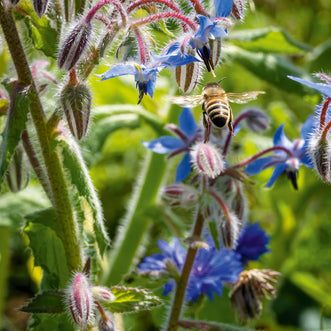
Cabbage Companion Planting
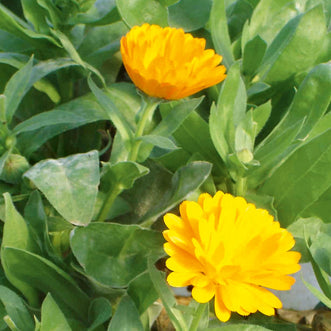
Many gardeners include companion planting herbs with vegetables to support garden health.
Useful companions for cabbage include:
These plants may help attract beneficial insects while adding diversity to the garden.

Cabbage splitting due to inconsist watering.
How to Deter Cabbage White Butterfly
One of the biggest challenges when growing cabbage is managing cabbage white butterflies.
Adult butterflies lay eggs on leaves and the resulting caterpillars can quickly damage plants.
To deter cabbage white butterfly activity:
-
Cover crops with fine insect mesh
-
Inspect leaves regularly (top and underside)
-
Remove eggs by hand
-
Encourage birds into the garden
-
Plant companion herbs nearby
Physical barriers are often the most effective solution for home gardeners.
How to Prevent Caterpillars on Cabbages
If caterpillars appear despite your best efforts, early action is important.
Regular inspections make a significant difference.
Check:
-
Under leaves
-
Around growing points
-
Near developing heads
Hand-picking remains highly effective in smaller gardens.
There are also sprays and powders that can be used if more serious steps are needed. Healthy plants generally recover better from minor pest damage than stressed crops.

Step-by-Step Guide on How to Grow Cabbage
If you’re wondering exactly how to grow cabbage from seed, follow these simple steps:
-
Choose a suitable cabbage variety.
-
Prepare fertile, well-drained soil.
-
Sow seeds in trays or directly into garden beds.
-
Keep seedlings moist while establishing.
-
Transplant once several true leaves have formed.
-
Space plants correctly.
-
Protect from pests.
-
Water deeply and consistently.
-
Feed regularly throughout growth.
-
Harvest once heads are firm and fully developed.
Following these cabbage growing stages helps create strong, productive plants throughout the season.
Understanding Cabbage Growing Stages
Knowing what to expect at each stage makes it easier to care for your crop.
Germination
Seeds sprout and develop their first leaves.
Cabbage Seedling Growth
Young plants establish roots and produce additional foliage.
Leaf Expansion
Plants grow rapidly, creating large outer leaves.
Cabbage Head Formation
The centre begins tightening into a compact cabbage head.
Maturity
Heads reach their full size and become firm to the touch.
Monitoring these cabbage growing stages helps identify any issues before they affect harvest quality.
When to Harvest Cabbage
A common question gardeners ask is: how long does cabbage take to grow?
Most varieties mature between 70 and 120 days after sowing, depending on variety, climate and growing conditions.
If you’re wondering how long does cabbage take to grow in New Zealand, cooler temperatures may slow growth slightly during winter.
Harvest when:
-
Heads feel firm when squeezed
-
The desired size has been reached
-
Outer leaves remain healthy
-
Plants have not begun splitting
Use a sharp knife or garden snips to cut the stem just above ground level.
Many gardeners leave the root system in place as smaller secondary heads may develop.
Cabbage Growing Tips for New Zealand Gardeners
For stronger harvests, keep these cabbage growing tips in mind:
-
Improve soil with compost before planting.
-
Rotate brassica crops each season.
-
Maintain even moisture.
-
Protect seedlings from butterflies early.
-
Mulch during dry periods.
-
Feed regularly.
-
Harvest promptly once mature.
-
Follow your local seasonal calendar.
Cabbage remains one of the most reliable vegetables to grow in winter and a valuable addition to any home food garden.
Whether you’re following a moon planting calendar, planning from a veggie planting calendar NZ guide or simply growing vegetables at home for your family, cabbage earns its place in the garden year after year.

Frequently Asked Questions
What is the best month to plant cabbage?
Autumn is often the best time to plant cabbage in many parts of New Zealand. Timing varies by region, but late summer through autumn provides ideal growing conditions for many varieties.
What is the trick to growing cabbage?
Healthy soil, consistent watering, regular feeding and early protection from cabbage white butterflies are the keys to success.
Do cabbages like full sun or shade?
Cabbages perform best in full sun. They can tolerate partial shade, particularly during warmer months, but stronger growth usually occurs with at least six hours of sunlight daily.
Does cabbage need a lot of water?
Cabbage prefers consistently moist soil. Deep watering once or twice weekly is often sufficient, depending on rainfall and temperatures.
How long does it take for a cabbage to grow?
Most cabbage varieties take between 70 and 120 days from sowing to harvest. Growing conditions and variety selection will influence timing.
Ready to Grow Your Own Cabbages?
Growing cabbage from seed is one of the easiest ways to enjoy fresh, homegrown vegetables through the cooler months. With good soil, regular care and a little protection from common pests, you’ll be rewarded with crisp, flavourful harvests straight from your garden.
Browse the Kings Seeds cabbage collection today and discover why generations of Kiwi gardeners trust us for quality seeds, practical advice and growing success.